

DEMNA´S GUCCI: LA FAMIGLIA AND THE ART OF KNOWING EXACTLY WHERE WE ARE
“Fashion is a form of ugliness so intolerable that we have to alter it every six months,” wrote Oscar Wilde. This idea represents a thought-provoking perspective on the ever-changing nature of the fashion industry. Fashion’s constant need for renewal is less about beauty than about relevance.
Few designers have embraced ugliness as a form of fashion as effectively as Demna, who has consistently crowned himself king of making the “ugly” chic and using fashion as a window into contemporary life.
His arrival at the Italian fashion house demonstrates the changing nature of the industry that Wilde referred to. At Gucci, Demna has chosen a subtler path in shaking up. As usual, he has inspected the archives and carefully planned how to move forward with Kering’s flagship brand ahead of his impending debut show in March this year.
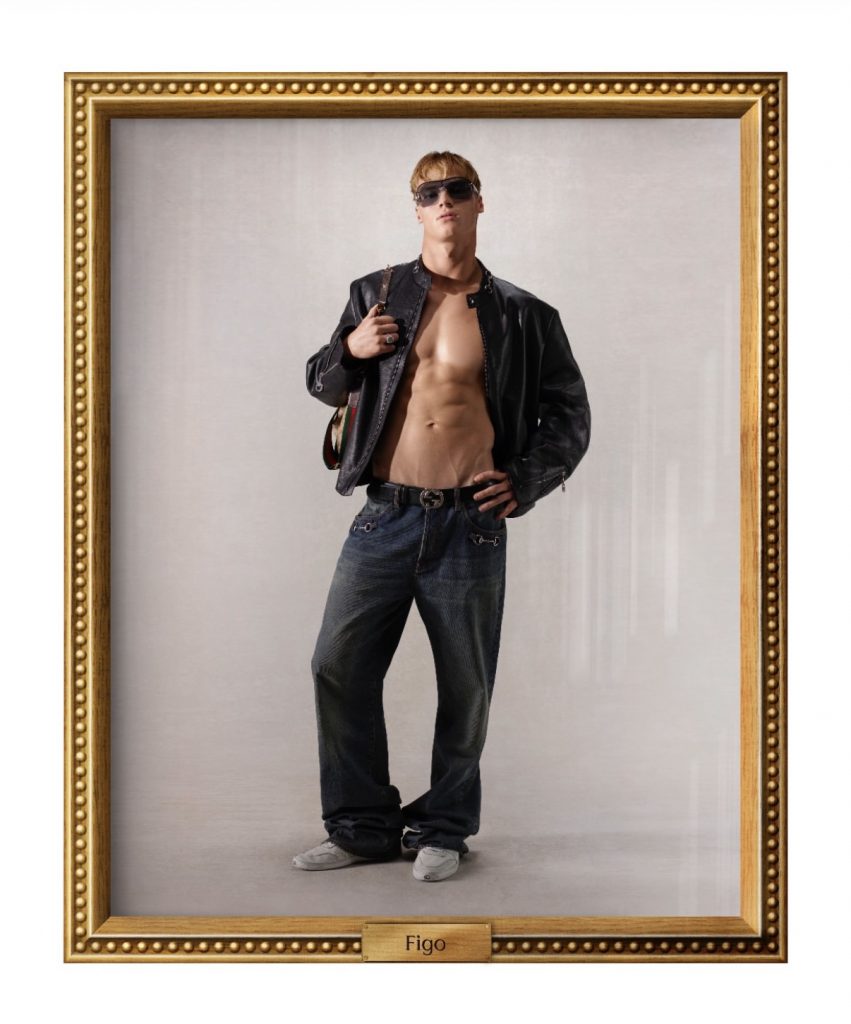
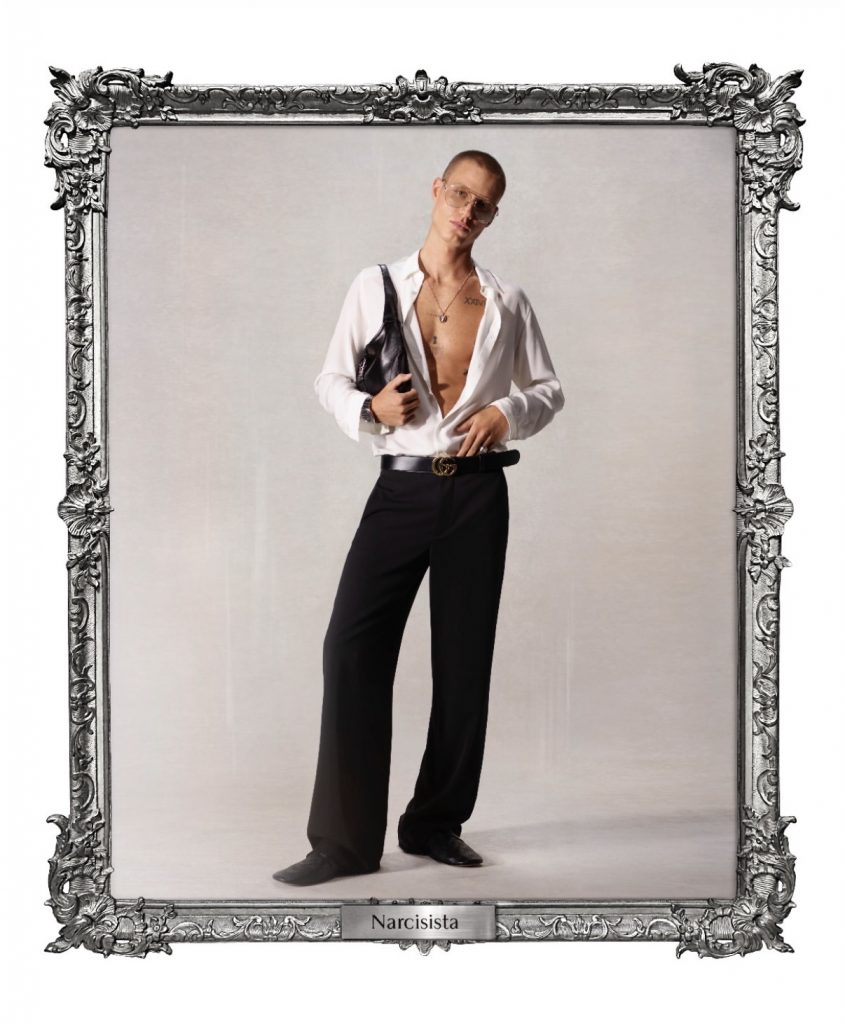
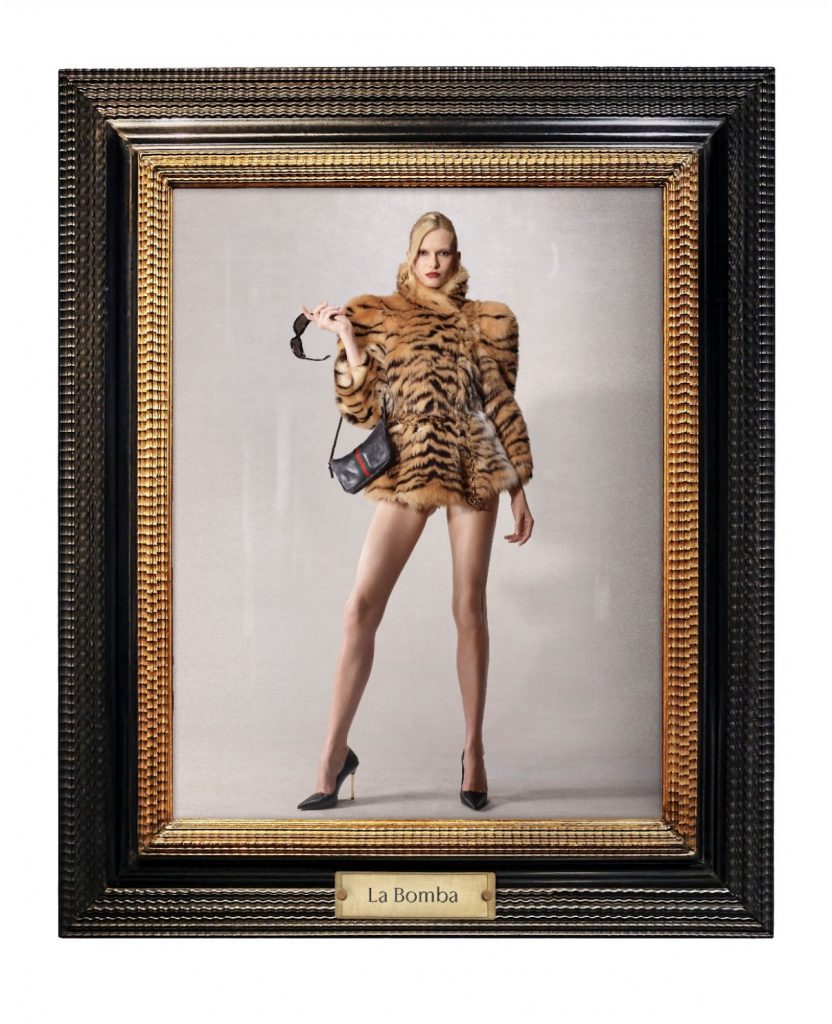
In Gucci’s latest campaign under Demna’s creative direction, La Famiglia, a cast is introduced. The campaign is structured around named archetypes: La Snob, La Principessa, the It Girl, La Bomba, and others. Each representing a distinct personality, attitude, and relationship to fashion. These are not costumes or caricatures, but recognizable figures within Gucci’s universe. They reflect the different ways people inhabit clothes, and by extension, the different audiences Gucci aims to reach.
This is part of a broader trend within luxury fashion, where brand customers are increasingly transgenerational. In the 1960s and 1970s, while affluent mothers opted for high couture gowns, their daughters often preferred the versatility of ready-to-wear. Over time, as ready-to-wear became more widespread, brands diversified their appeal to reach multiple customer segments. Today, the line between generational tastes has blurred, which makes a campaign showcasing versatility a smart strategy for a brand like Gucci, a heritage house embedded in society’s collective imagination as one of fashion’s most historic brands.
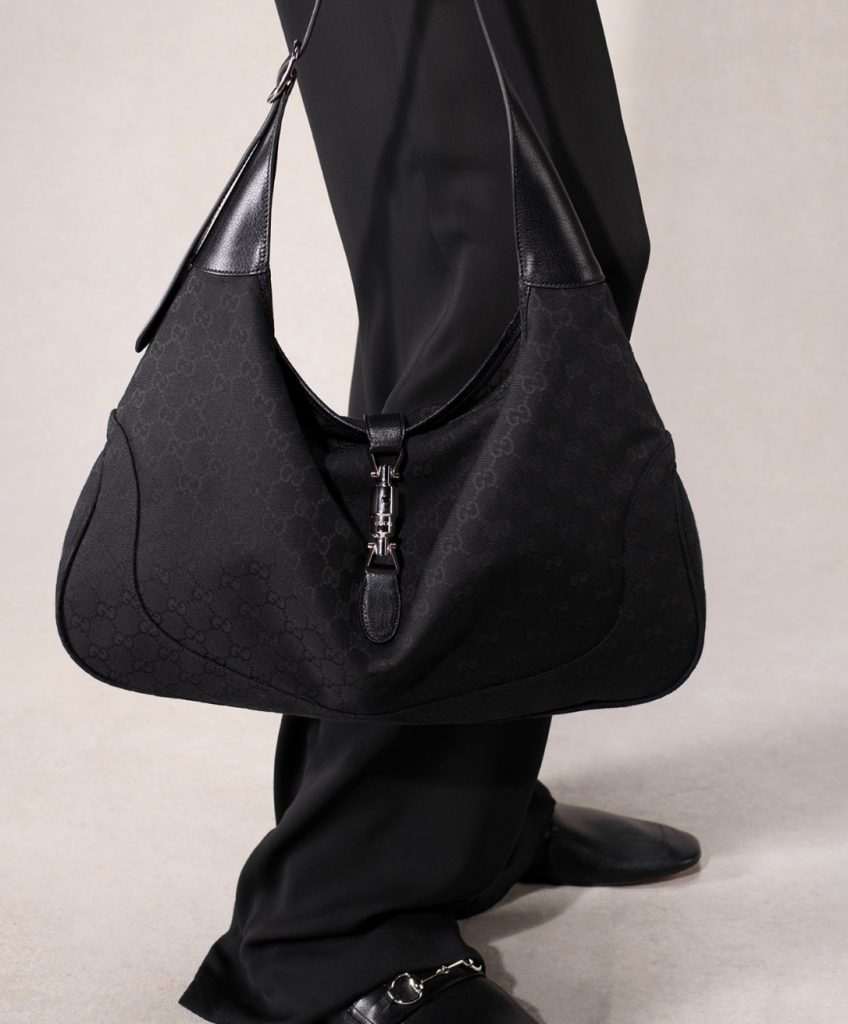
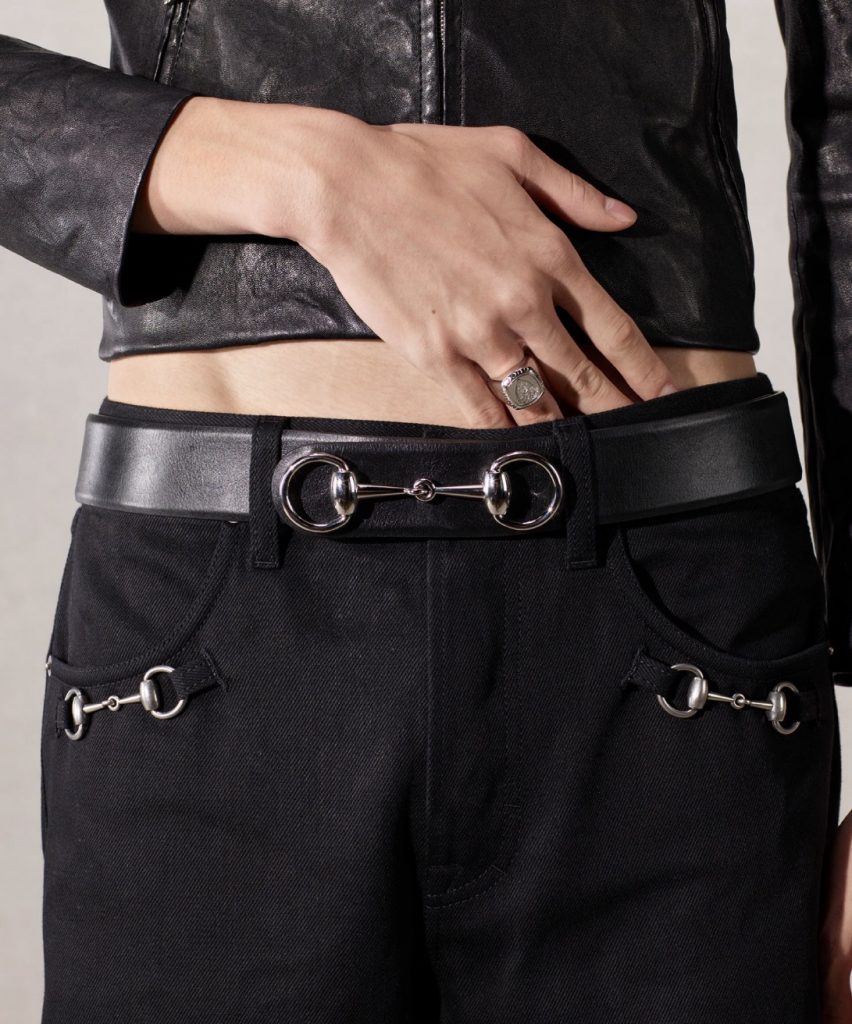
Among the other characters represented are some favorites: The VIC (or Very Important Client) and the Milanese sciura. Demna’s decision to include them in the campaign signals an understanding that Gucci’s strength lies not in chasing a single “new” customer, but in embracing the full spectrum of those who already orbit the brand. Additionally, Demna has cultivated a loyal following over the years, and that following is unlikely to disappear simply because the logo has changed. It will, instead, migrate with him, which is why he has incorporated many of his signature style elements such as the distressed leather, or the voluminous and dramatic shapes in some of the garments.
Throughout his career, he has treated fashion as a mirror of current life. At Gucci, that lens feels more refined. Provocation is still present, but in a more measured manner. Sex appeal is also there, but primarily through the delectable bags and shoes he has designed, which appeal to all kinds of luxury enthusiasts (including me).
La Famiglia reveals the wardrobes for Spring/Summer 2026. These are not teasers, but the fully formed propositions already available online. The campaign also marks a clear genesis: while Demna’s first runway show for Gucci is still to come, La Famiglia establishes the emotional and visual groundwork.
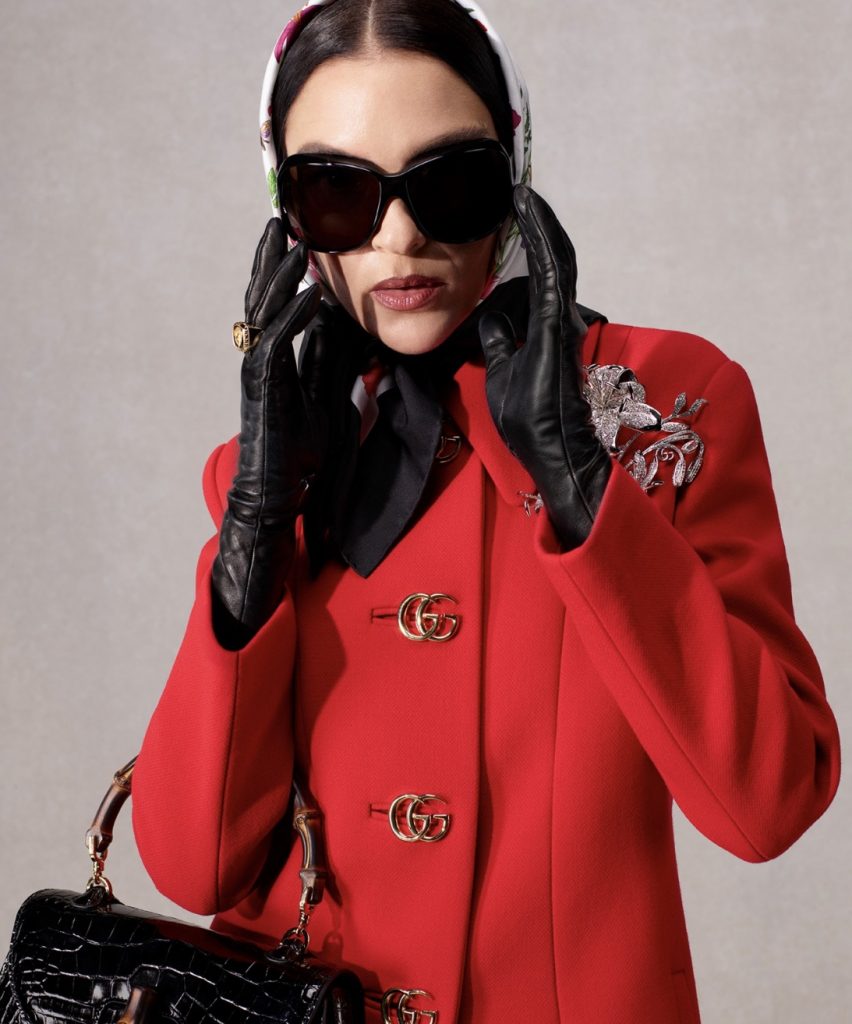
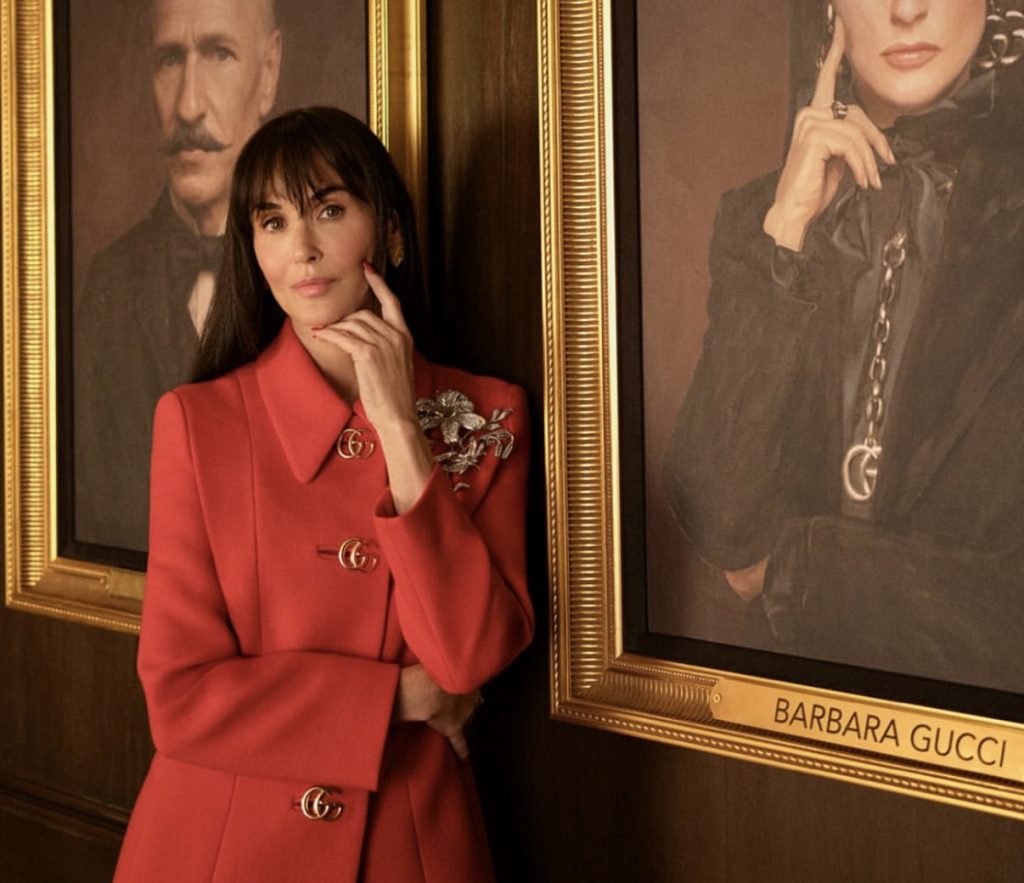
Produced by DAZZLE AGENCY, the Spanish creative agency, the visuals are clean and remind us of a time where collections and campaign were really about the clothes and not about hype.La Famiglia introduces the universe of what Gucci has in store for fashion enthusiasts, but above all, for its customers. The collection demonstrates how clothes, more often than not, can carry a narrative farther than hype. At the end of the day, the fashion industry is about garments.
Words: @edugilhurta