
HIS MOMENT HAS JUST BEGUN: CHANEL ACCORDING TO BLAZY
Since December 2024, Matthieu Blazy has held one of fashion’s most coveted positions: the creative direction of Chanel. Awaited by many, his debut was acclaimed by the industry. After his first three collections at the helm of the maison (ready-to-wear, métiers d’art, and haute couture), we now have a perception of Chanel according to Blazy.
Between Coco Chanel and Karl Lagerfeld, in the transitional period from 1971 to 1983, the several designers who assumed the creative direction focused on preserving the maison’s codes. With the exception of Philippe Guibourge, who introduced the prêt-à-porter line, none of the others brought any significant changes to the French house.
Similarly, between Lagerfeld and Blazy, there was a transitional period marked by Virginie Viard and, after her, the design studio. This period went back to the roots of what it meant to be a Chanel woman and was characterized by a growth in sales, in part due to the incredible knowledge of the client that Virginie showcased, as well as a focus on leather goods and accessories.
However, the choice of Matthieu Blazy as creative director was intentional and part of a wider industry trend. He was expected to bring something new, just as Karl did back in the day. Many relevant fashion houses have recently changed creative directors, with most debuts having taken place within the past two years. The strategy behind these changes is to appeal to a younger customer, with cultural references, brand ambassadors, and shapes that feel aspirational for them.
Trained at the prestigious La Cambre, Matthieu Blazy has repeatedly proved his affinity with craft and art. At a resourceful maison like Chanel, with a historical relationship with savoir-faire and teams composed of some of the best artisans in the world, those in the know anticipated an innovative use of these resources. Blazy delivered.
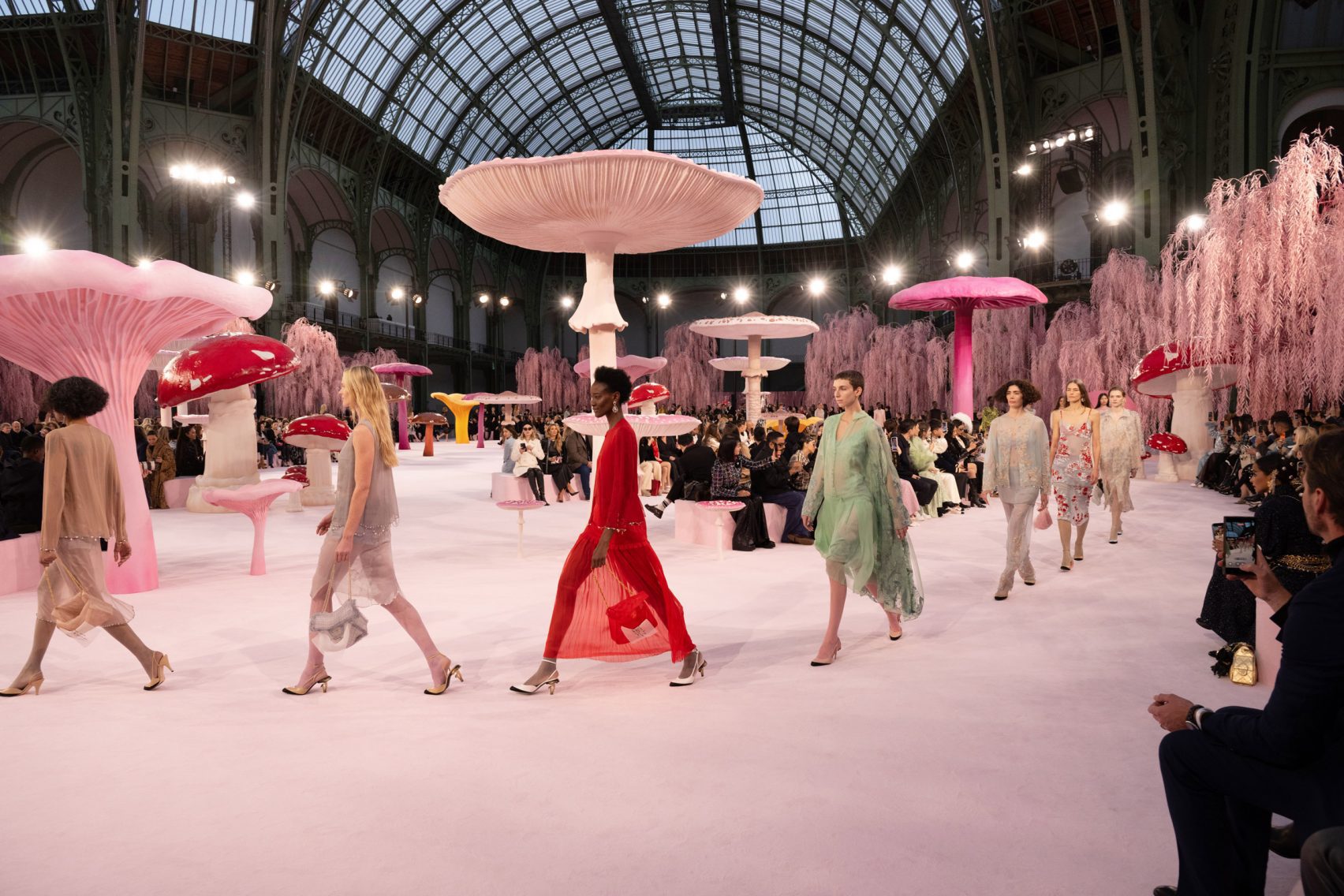
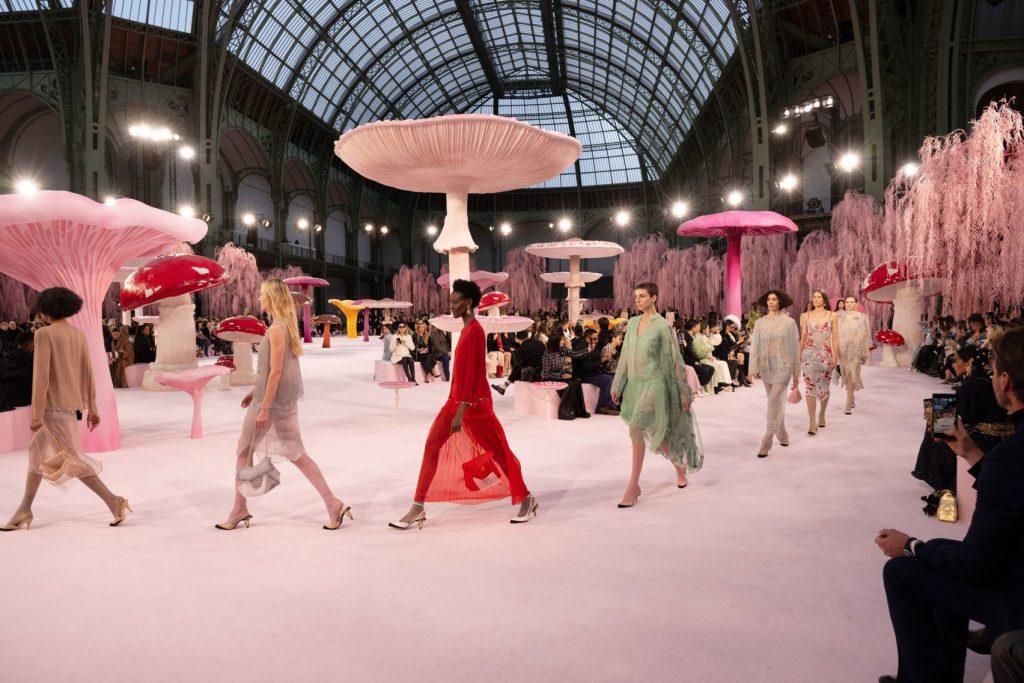
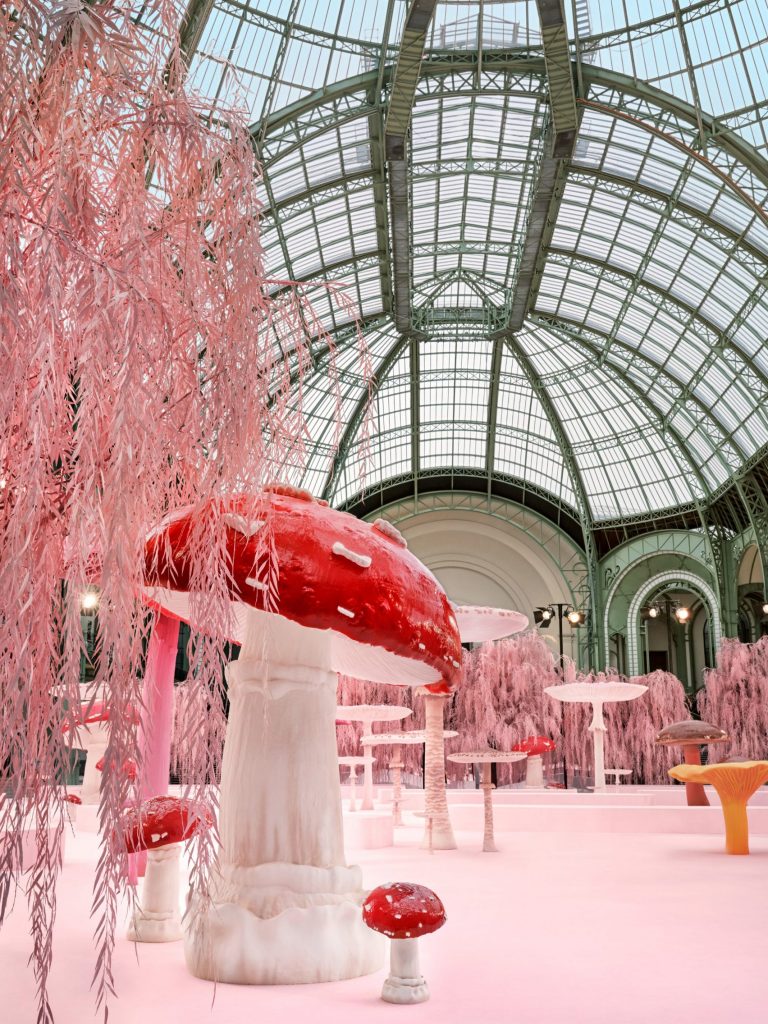
In his first prêt-à-porter collection for Chanel, Blazy illustrated the new Chanel silhouettes for Spring/Summer 2026. They remained chic and feminine, but the shapes were more relaxed than we had seen before, and the textiles felt airier. The scenery was breathtaking, and the long, flowy shirts were smartly combined with skirts that gave an elongated flair.
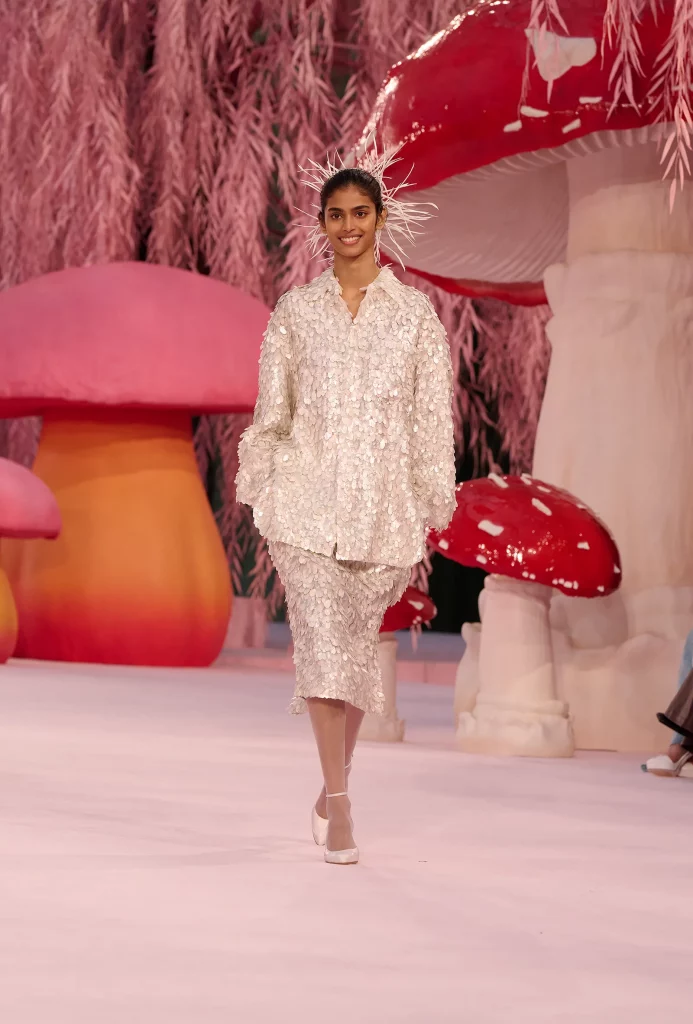
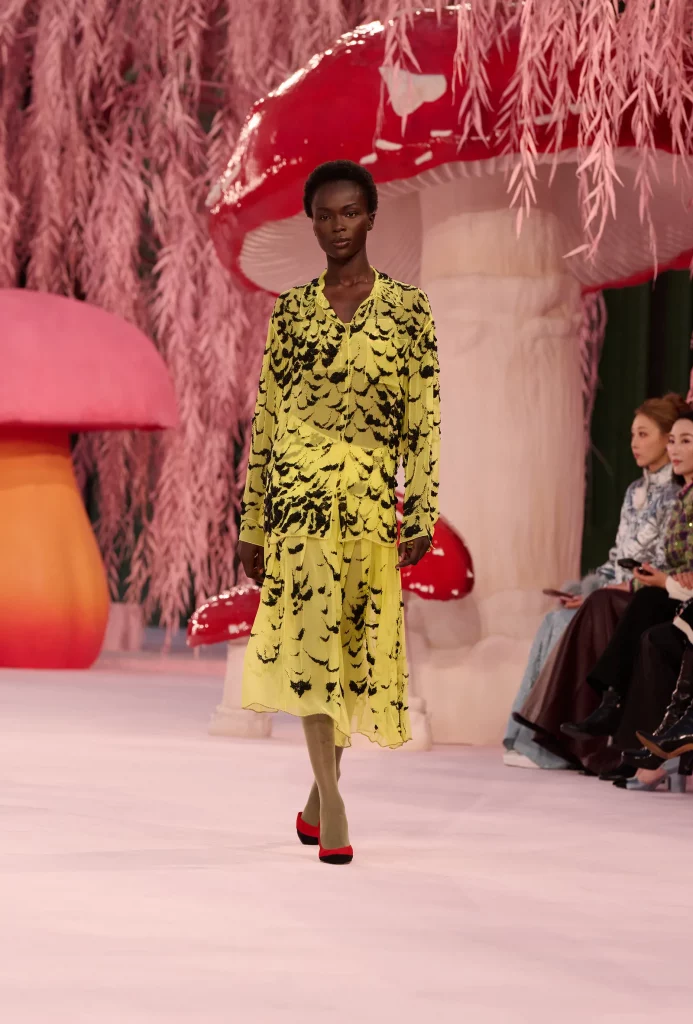
Some of the other pieces added theatricality through their voluminous shapes and colorful shades, like the closing dress worn by model Awar Odhiang, which captured the audience with its movement and contagious energy. Nevertheless, not all was about new codes and disruption; there were also traces of continuity, such as the use of tweed, a Chanel staple, which was reimagined through unfinished fringes.
After his success at the Grand Palais in Paris during Fashion Week, the French-Belgian designer brought the Chanel court to the New York City subway. Press, celebrities, and VICs were reunited for the introduction of the Métiers d’art collection, a moment unique to the Chanel calendar, which aims to highlight all the craft that goes into every Chanel piece, alongside the partner ateliers that Chanel sustains and preserves.
This show referenced the different kinds of New Yorkers that inhabit the city. It was notable that the items tried to appeal to diverse audiences: some would appeal to a younger crowd, while others could appeal to their mothers or grandmothers, creating a Chanel family synergy within the show. Quarter-zip polos, Clark Kent sweaters, matching suits, or dazzling dresses accompanied by even grander coats were some of the items presented there.
Tweed appeared through unexpected styling choices, including an “I Love New York” T-shirt. Many of the items, placed in such scenery, clearly hinted at how Blazy wants to move toward a contemporary take on high fashion, where luxurious and meticulously crafted clothes also become part of everyday life.
This notion was accentuated even further through his third collection for Chanel. His haute couture proposal consisted of clothing that focused on the feeling of the material and its fluidity, which was accentuated through the attention to detail shown in its execution. Fine mousselines, were presented in shapes that went from dresses to jeans and tank tops. But, as we have also seen in his prior shows, there was room for more dramatic pieces with plumages at the hem of the skirt, which has become one of Blazys signature codes.
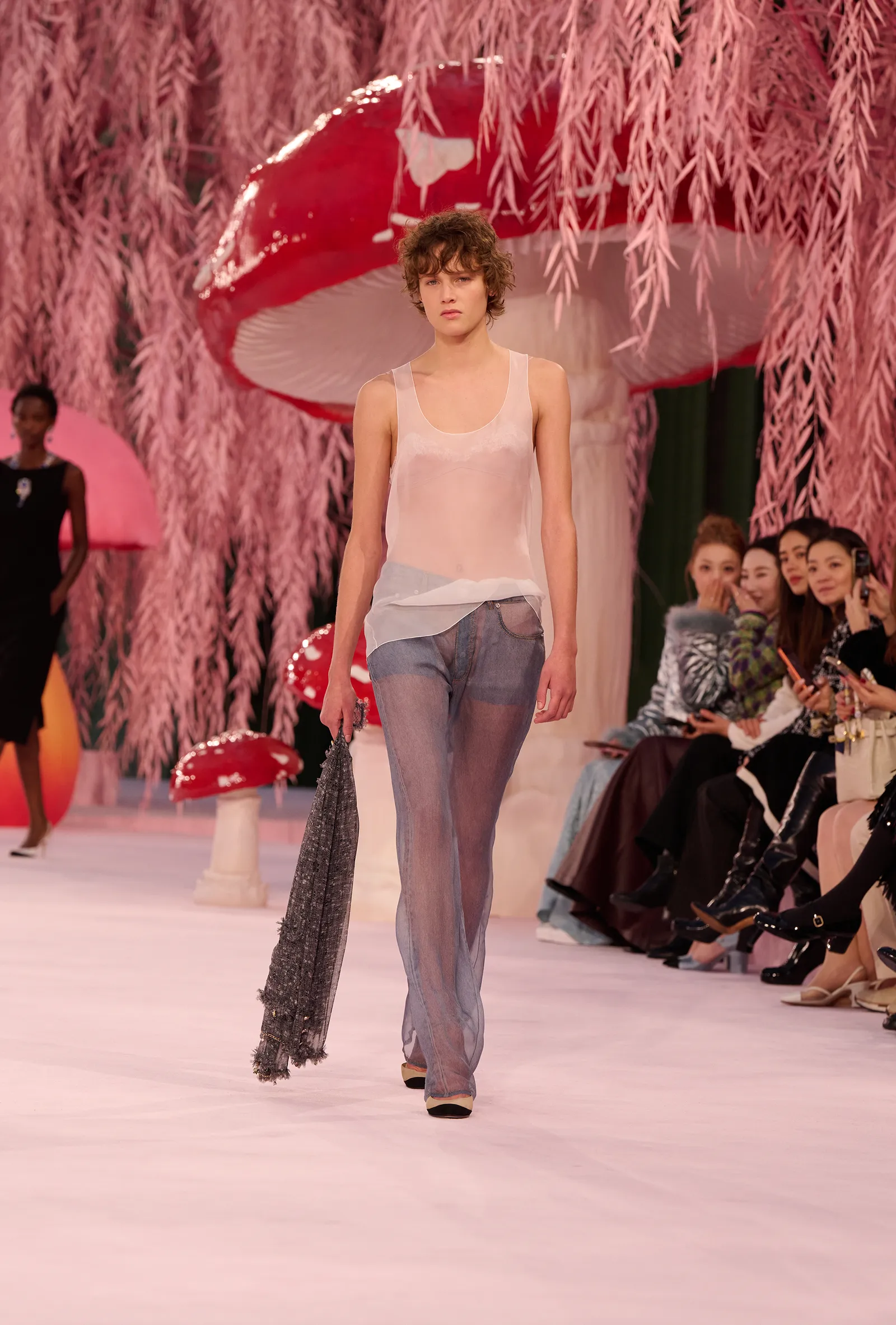
The show also stood out for its diverse casting, presenting models of all ages, which reflects the Chanel customer. Some may be older, some younger, and Blazy’s strategy is to retain longtime customers while attracting new ones who feel drawn to his vision of clothing.
In only three collections and one campaign, Blazy has been able to clearly communicate what Chanel means to him and how subtlety emerges in every shape and form. He constantly nods to cultural moments and elevates them to luxury, while also offering a clear vision of what his Chanel represents: luxury for everyday life with room for showstopper moments.
Blazy’s work reveals an interesting dynamic between tradition and contemporaneity, a juxtaposition that allows the clothes to move freely between the heights of couture and the present moment. And his moment has just begun.
Words: @edugilhurta