
BUENOS AIRES FASHION WEEK FW26: A CREATIVE OASIS AGAINST THE POLITICAL CLIMATE
The biggest fashion event in Argentina takes place twice a year, in March and October. Looking beyond the usual gaze toward the Global North, the fashion community gathered at La Rural to momentarily escape the constant stream of alarming global news and instead immerse itself in Argentine beauty and discourse.
This 25th edition of Buenos Aires Fashion Week gave special prominence to author-driven brands, opening with García Bello. Created by Patagonian designer Juliana García Bello, the brand draws inspiration from the wilderness of southern Argentina. The show unfolded as a performance featuring a collective of contemporary dancers intertwined with four models, demonstrating that the garments are not only upcycled but fully wearable—danceable, even. It was refreshing to see the flexibility of design conceived for women who push the limits of their bodies.
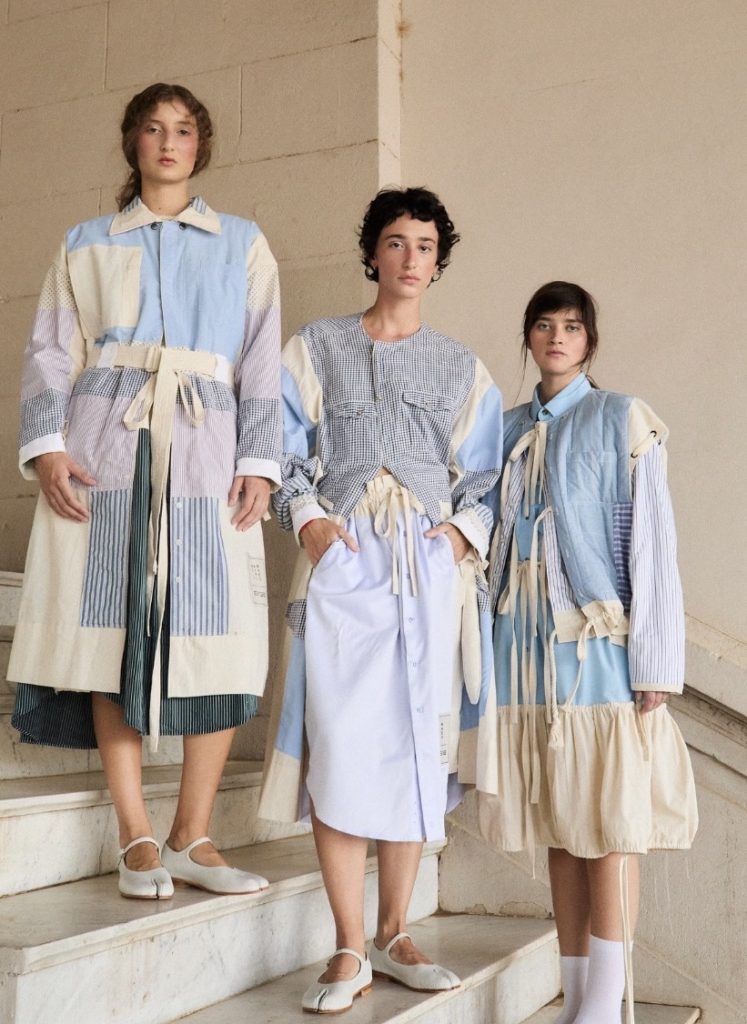
Through references to water and wind, the collection portrayed oversized two-piece sets, long-sleeved dresses, and overalls with ribbon ties used as adjustable fastenings. The makeup, created by Verónica Mendoza and her team at Fusion Agency, evoked Rococo-style portraiture: soft blush low on the cheeks, matching lips, and pale complexions.
Creative direction proved essential for each brand at BAFWeek, as designers faced the challenge of building entirely different worlds within the same venue. We moved from the graceful natural landscape of García Bello to the ominous enchanted forest of Emilia Velasco.
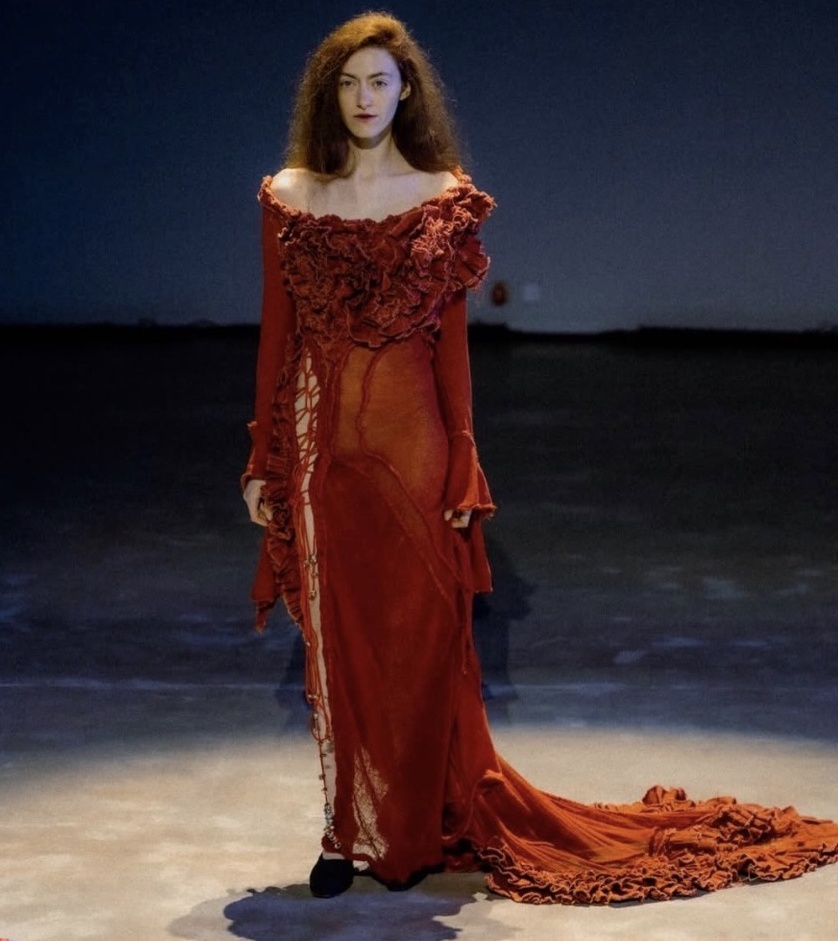
Invocación (Invocation) brought witches and lost princes to the runway, dressed in cotton sourced from Chaco and denim. The brand, which revives techniques rooted in Guaraní heritage, commits to zero-waste practices and genderless garments, celebrating the knowledge accumulated over its fifteen-year trajectory.
Valentina Schuchner, in Lo siento mucho (I’m Very Sorry), explored whiteness as a historical construction and a device of class distinction, referencing nineteenth-century silhouettes. Schuchner presented the most diverse casting of the week: 28 women representing the 28 days of the female cycle. Working exclusively in black and white, she framed the collection as a reflection on the imposed purity historically associated with women and its counterpart—rebellion and emotional tide. Gauzes, tulles, and broderie fabrics were paired with refreshing floral arrangements as accessories while pop queens blasted through the speakers. Fun, fun, fun—like a pajama party among girlfriends that suddenly turns philosophical.
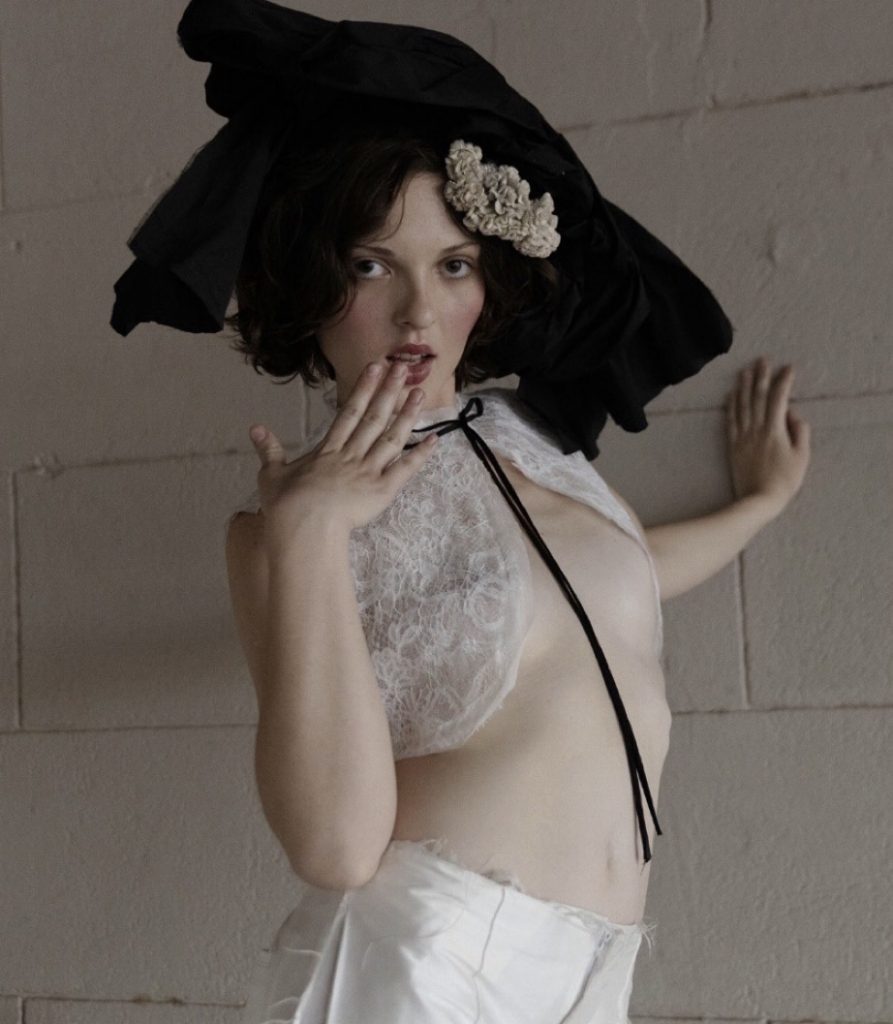
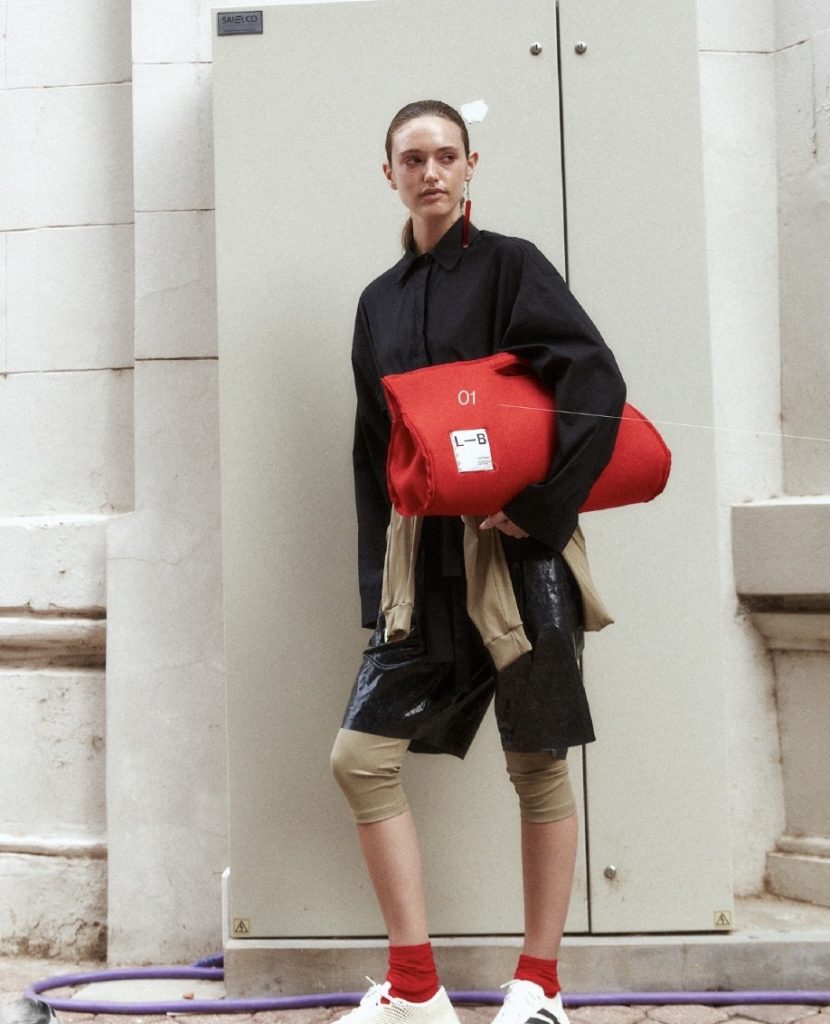
Luz Ballestero delighted audiences with the most theatrical composition of the week and was the only designer to stage a direct interaction between performer and garment. Desborde (Overflow), inspired by the universe of Pedro Almodóvar, unfolded as a five-act dance-theater piece punctuated by intervals of traditional runway presentation. Ballestero stayed true to her signature irregular, multi-wearable pieces and maintained the histrionic Spanish touch through vibrant color combinations, bold patterns, and expressive makeup—all paired with Adidas shoes that perfectly capture the spirit of the modern Buenos Aires city girl.
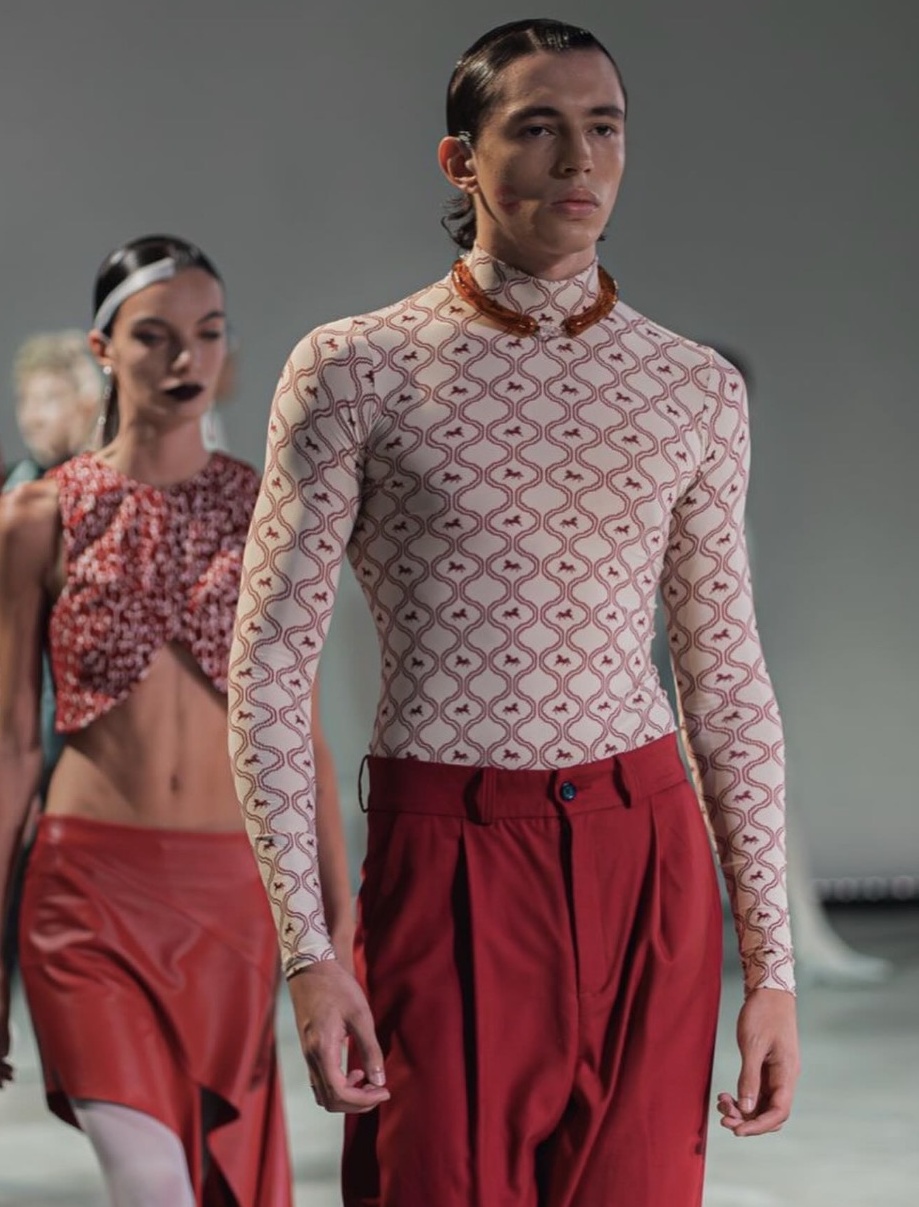
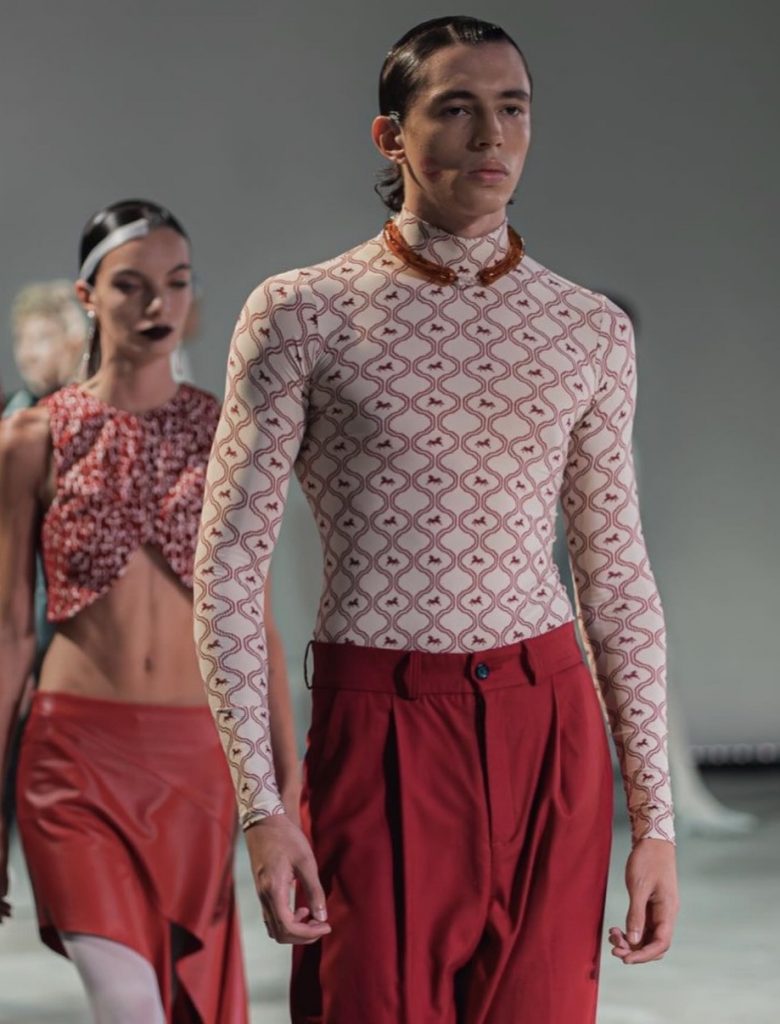
Las Pepas, the brand with the widest reach, naturally presented the largest number of looks. They boldly elevated the scene with a red carpet runway that even hosted dogs dressed in Las Pepas attire. The collection stayed close to the brand’s core identity: vintage nods to the 1960s, with touches of kitsch and abundant sparkle. The presence of male models also came as a welcome surprise, confirming the brand’s expansion beyond its previously playful “animal kingdom.”
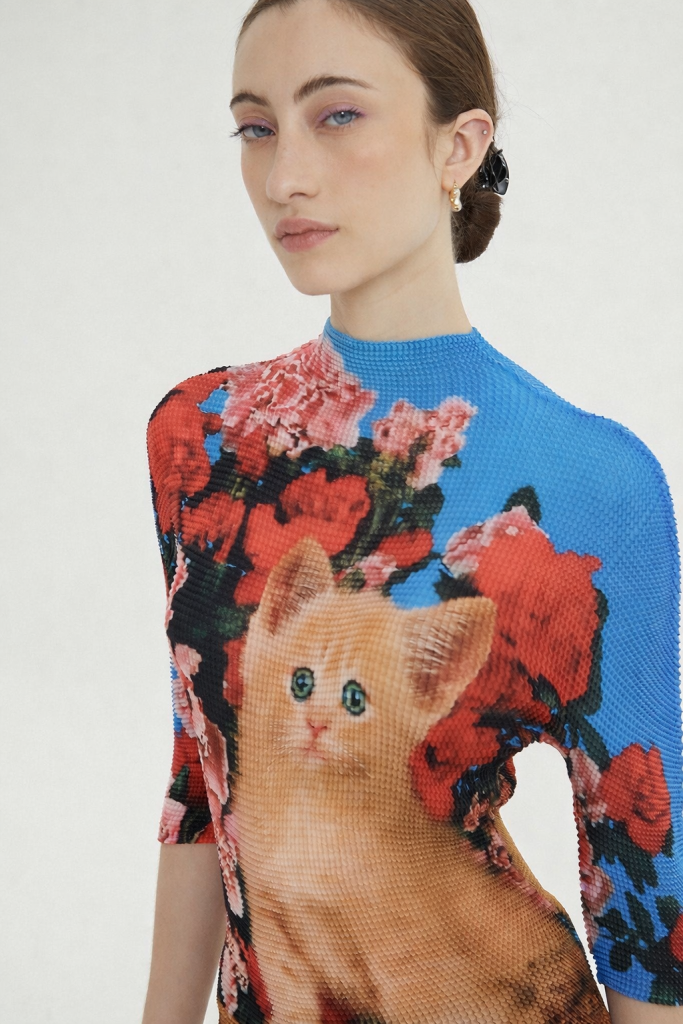
Finally, Sadaels, the brand founded by Royal Academy of Fine Arts Antwerp graduate Juan Daels, introduced its first menswear collection. Although the staging was the most minimal of the week, this simplicity allowed the materials to take center stage: fine leather, glass accessories, and velour textures. It was a show made for a trained eye.
Now we wait to see how these visions will come to life on the streets of Buenos Aires.
Pictures courtesy of the brands and bafweek official.
Words by julianaianniccillo