
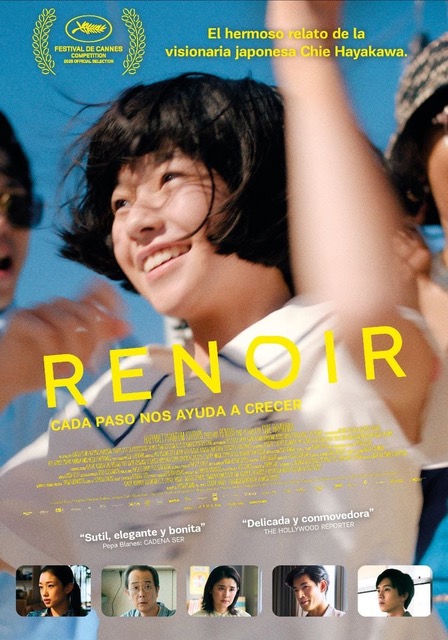
RENOIR BY CHIE HAYAKAWA: EXPLORING CHILDHOOD GRIEF THROUGH CINEMA
Grief is a universal experience, but it is not always portrayed in the same way. In film, many stories tend to approach it from an adult perspective, where emotions can be named, organized, and, to some extent, understood. However, when that loss is filtered through the eyes of a child, the process becomes much more diffuse, filled with silences and indirect ways of understanding what is happening. Imagination can then become a tool for coping with a pain that has not yet found words.
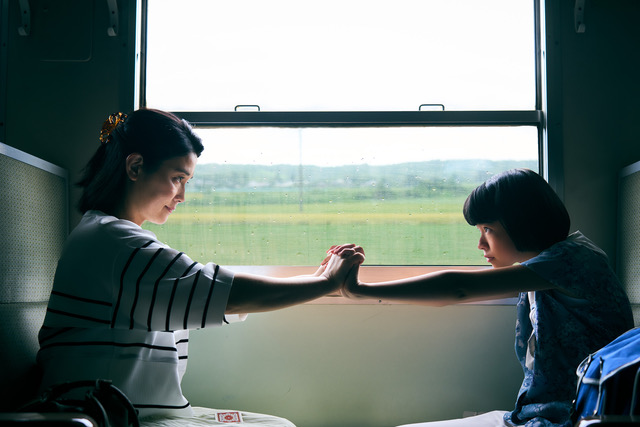
‘Renoir’ is a film directed by Chie Hayakawa and starring Yui Suzuki, set in 1980s Tokyo, that tells the story of Fuki, an 11 year old girl navigating her father’s slow decline. From the beginning, the film makes it clear that it does not seek to depict grief through an adult lens, but rather to immerse itself in that more diffuse, almost inarticulate territory that is childhood grief.
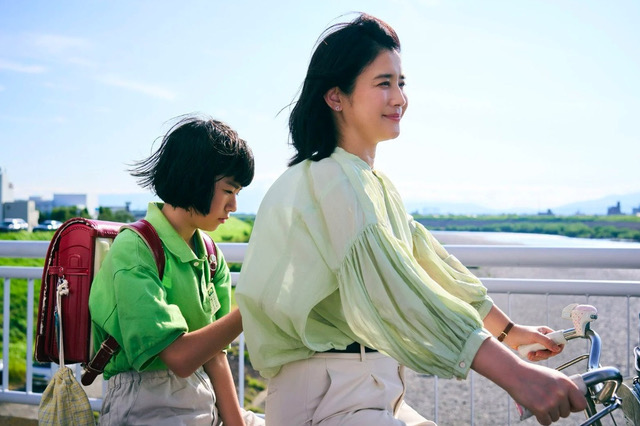
The first thing I’d like to highlight is how well-crafted the film is, showcasing a clear visual sensibility that’s complemented by solid performances across the board, especially Yui Suzuki’s, which carries much of the emotional weight. What’s most interesting is how it avoids the usual clichés of drama: there are no major emotional outbursts or dramatic plot twists here. The film functions more as an emotional portrait than as a linear story. Elements like telepathy, the distorted perception of time, or the way Fuki observes the world are not so much narrative devices as the very language of her grief. In that sense, it achieves something quite special: making the audience feel what she feels, rather than explaining it to them.
That said, I found the plot development a bit sluggish. Its slow pace, which some may find hypnotic, ended up causing me to lose focus at several points. There is a clear intention to respect the tempo of a child’s grief, but that also works against viewer engagement.

Even so, I think the film ultimately finds its footing in an ending that works well within its own framework. The idea of telepathy as a way to maintain a connection, more symbolic than literal, is probably the most beautiful thing the film leaves people with. And yes, the credits song is lovely and helps to leave the experience with a warmer feeling. It’s not a film that left a particularly lasting impression on me, but I completely understand why it might resonate so deeply with others.
Words by @joaquinxbc