
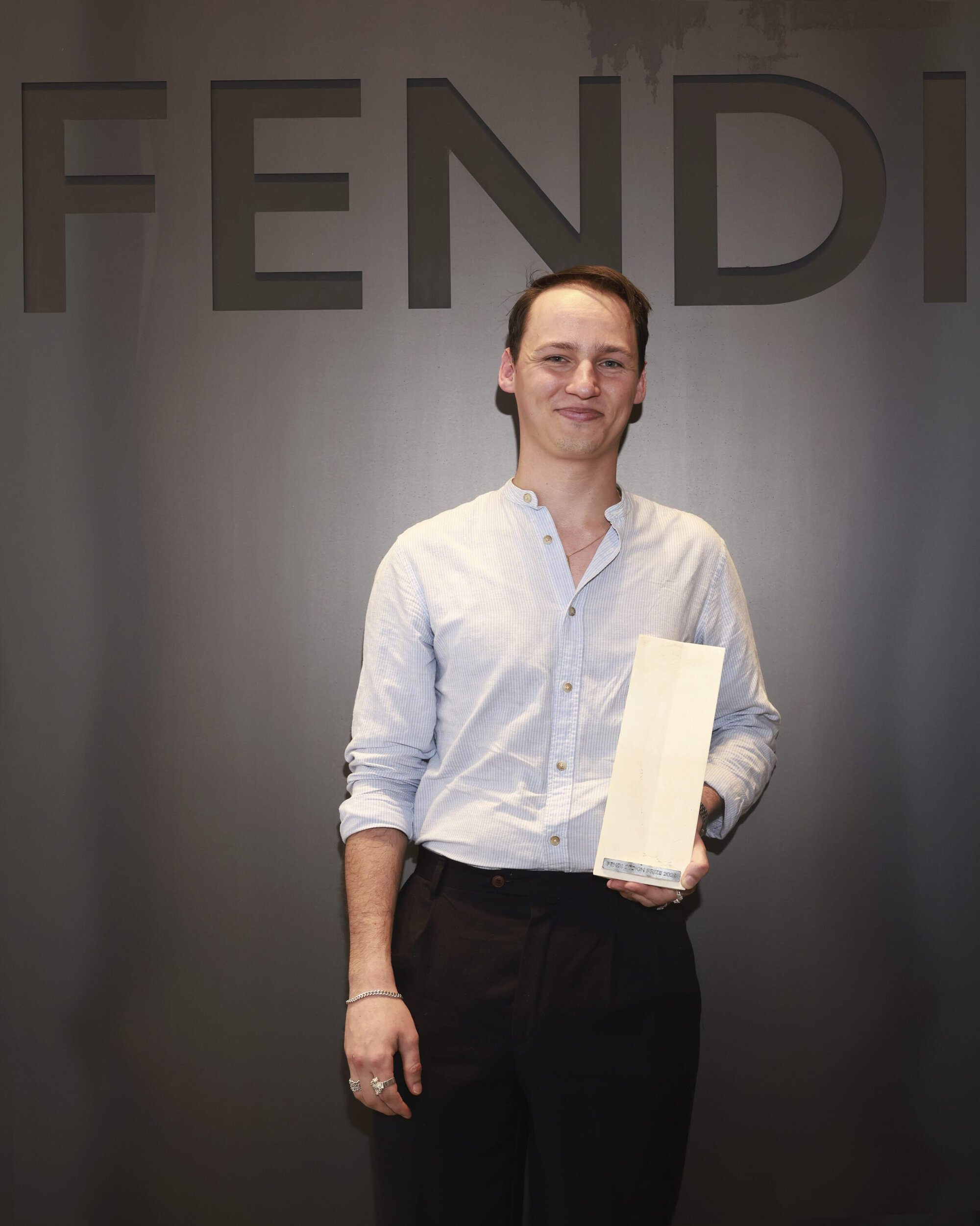
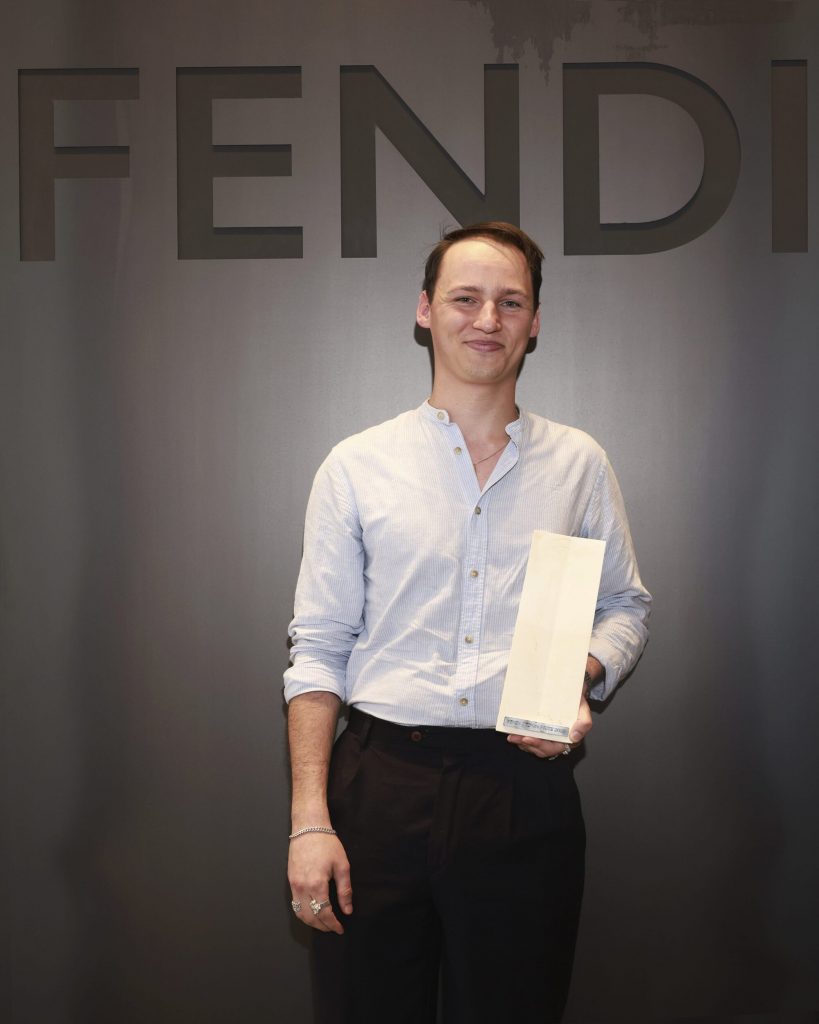
Fendi Names Gustav Kraft First Design Prize Winner in Milan
The new annual prize launched by Fendi is guided by designer Giulio Cappellini, who leads a jury composed of internationally renowned figures such as Cristina Celestino, Joseph Grima, Neri & Hu, Rossana Orlandi, Josh Owen, and Patricia Urquiola. To fully understand the scope of this initiative, it is essential to reflect on what Fendi Casa represents, something that could be summed up in a single concept: savoir-faire. In the field of interior design, this goes beyond craftsmanship and material quality; it speaks to a broader vision of living, an attitude toward space, comfort, and detail.
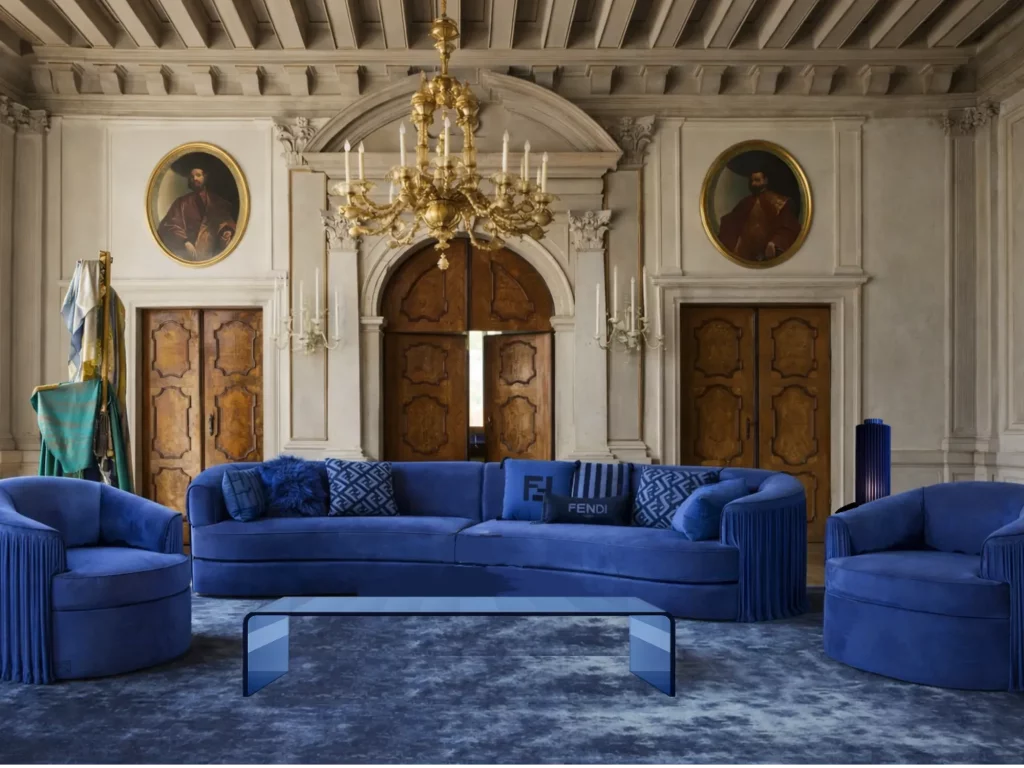
In its first edition, the prize received more than seventy submissions from design schools around the world. The brief invited participants to conceive a complete living environment, incorporating furniture and accessories. Key requirements included the use of upcycled materials from the house, such as leather or fur, the integration of signature elements like Selleria and the brand’s color palette, as well as a strong connection to Rome and its cultural heritage.
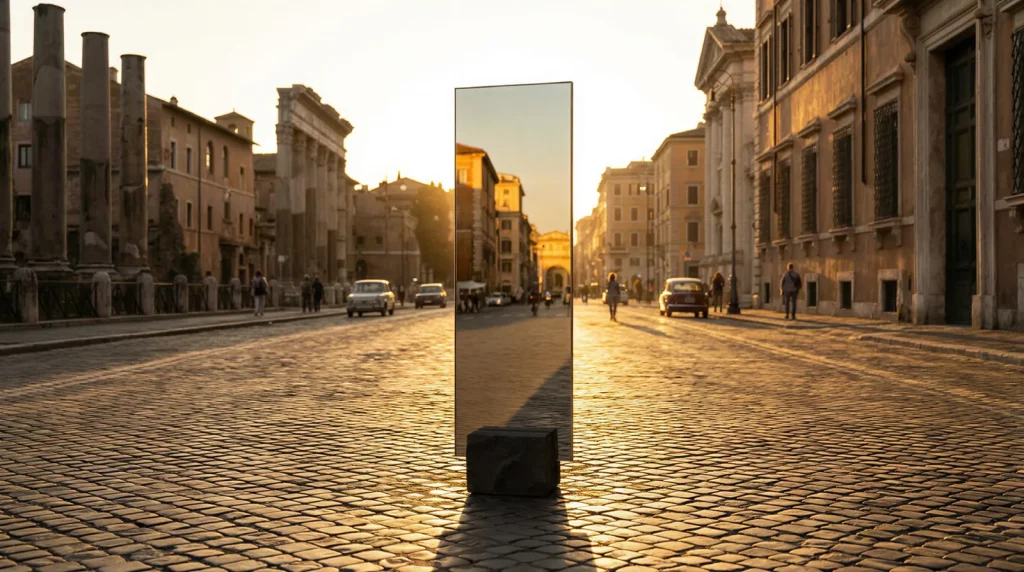
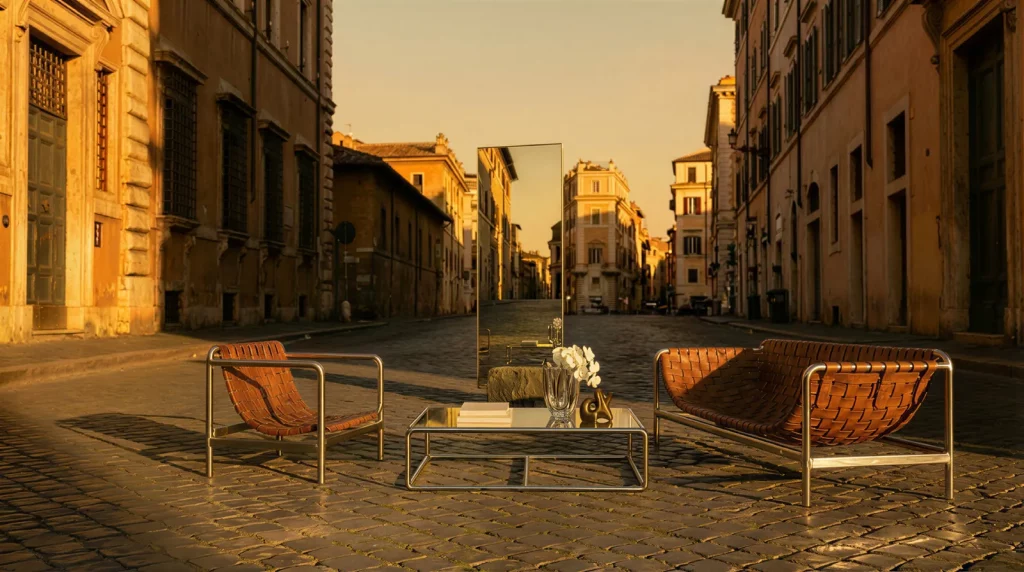
The winning project, titled Via and created by young Swedish designer Gustav Kraft, was announced on April 19 during Milan Design Week. His proposal will be produced in December at Design Miami 2026, with the possibility of evolving into a full collection with Fendi Casa in 2027. A student at Istituto Marangoni in Milan, Kraft has been recognized for a vision that blends tradition and innovation with a strong conceptual foundation.
His project takes inspiration from the sampietrino, the small basalt cobblestone that has paved Rome’s streets for centuries. “I’ve always been fascinated by how people admire monumental landmarks but rarely look at the ground beneath their feet, which is also part of that history,” the designer explains. From this observation, he develops a collection that translates this urban element into contemporary pieces.
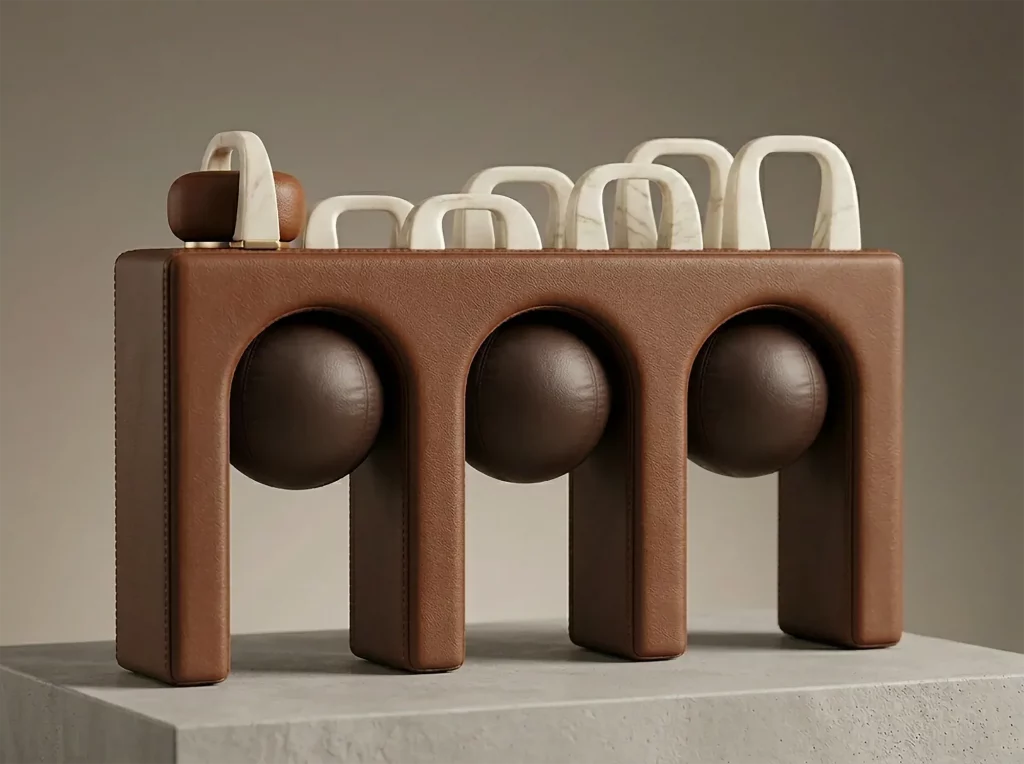
In terms of materials, leather, an unmistakable hallmark of the house, is combined with aluminum and stainless steel. This choice reflects both an aesthetic preference and a clear intention toward durability: creating objects designed to last over time. According to Kraft, his approach leans toward essential design, where functionality and formal purity take precedence without losing the brand’s identity.
The jury, impressed by the quality and diversity of the submissions, selected six finalists whose projects explored different interpretations of Roman heritage, from ancient domestic rituals to classical architectural elements such as colonnades and monuments. Each proposal offered a distinct perspective on material experimentation and contemporary design narratives.
Beyond individual recognition, this initiative marks the beginning of a platform aimed at supporting new creative voices. In this context, cultural heritage is no longer seen as something static, but as a living material open to reinterpretation and transformation. It is through initiatives like this that design becomes a bridge between tradition and the future, expanding access to and participation in the global cultural scene.
Words: @annaamaso