
BESMAYA SPEAKS ABOUT LA VIDA DE NADIE IN CUPRA CITY GARAGE MADRID
Besmaya has spent years carving out its own niche within Spanish alternative pop. Far removed from quick fixes and the inertia of an industry dominated by urban music, the duo formed by Javi Oján and Javi Echávarri has found a recognizable and increasingly solid identity in guitars, introspective lyrics, and a carefully crafted aesthetic. Following the release of Nadie (Nobody), an album that reflects on contemporary anxiety, emptiness, and the need to reconnect with what is essential, the band is experiencing one of its most exciting periods: sold-out venues, a festival tour ahead, and an artistic vision that is beginning to solidify as one of the most personal of its generation.
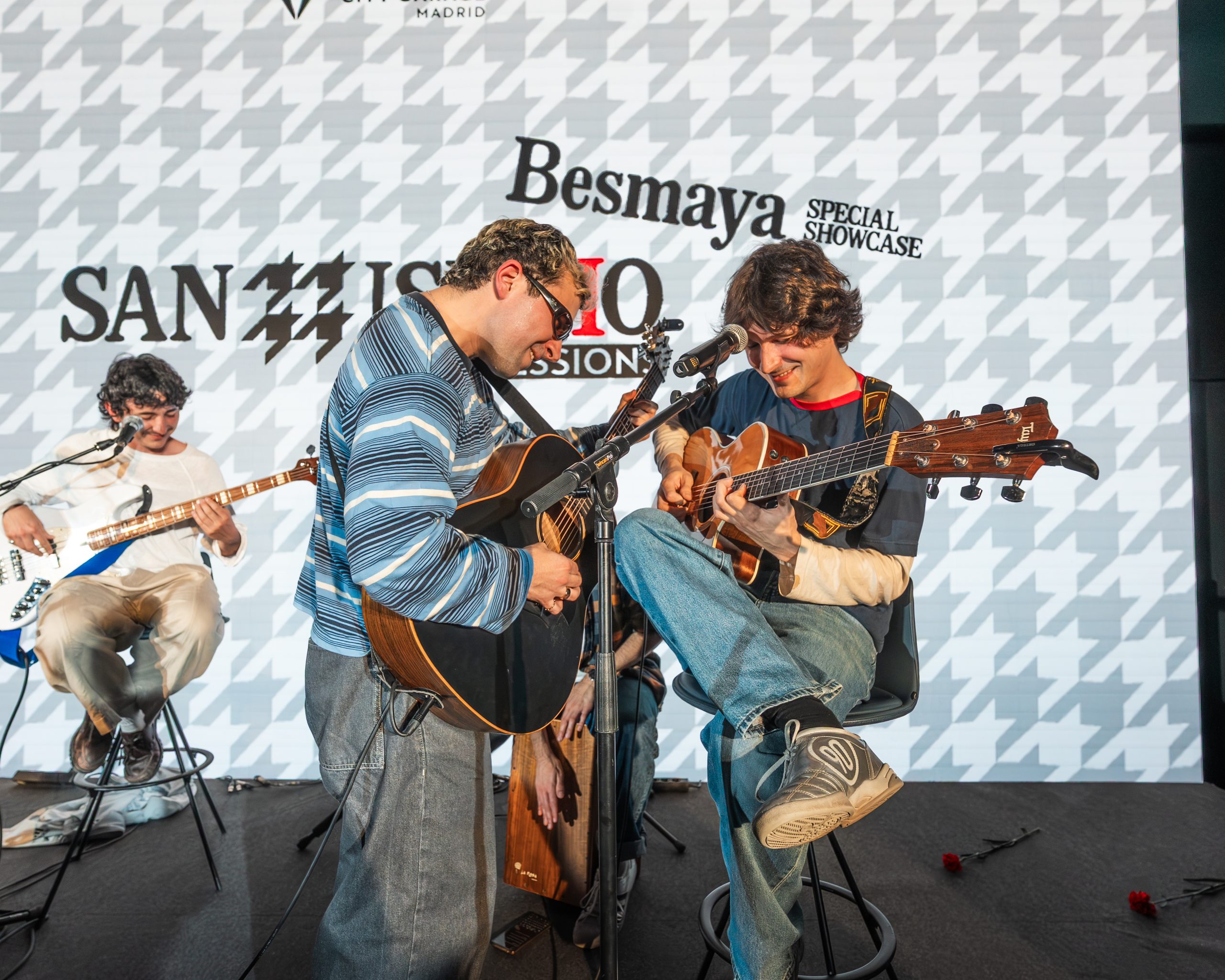
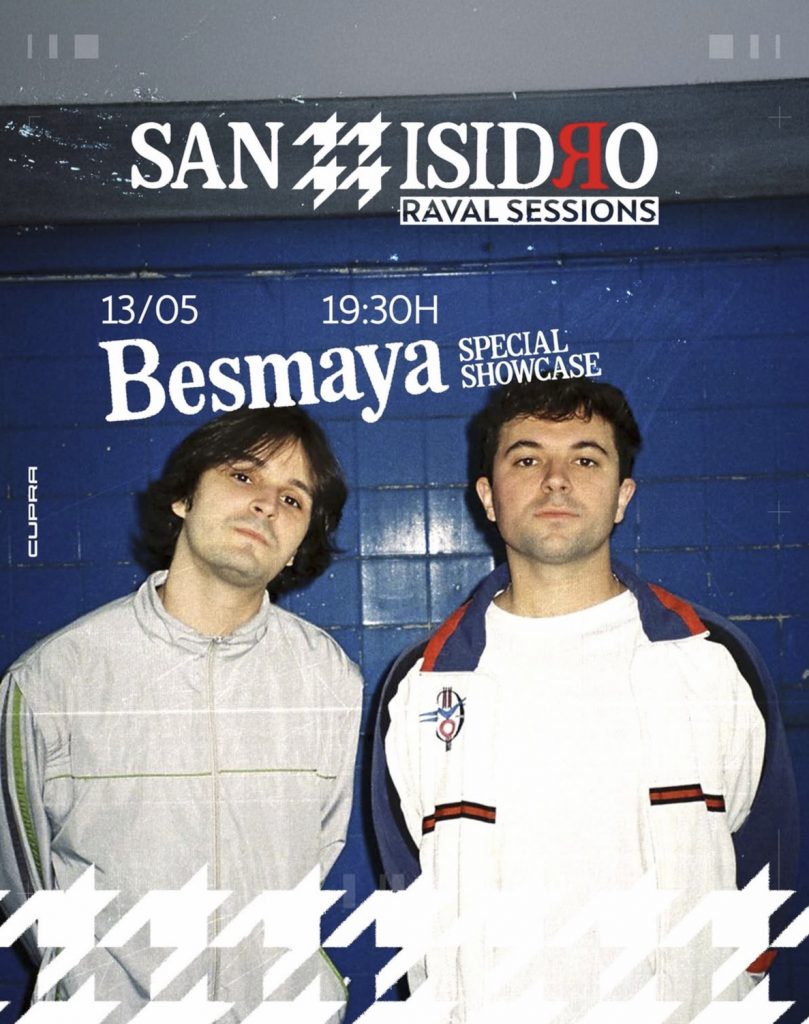
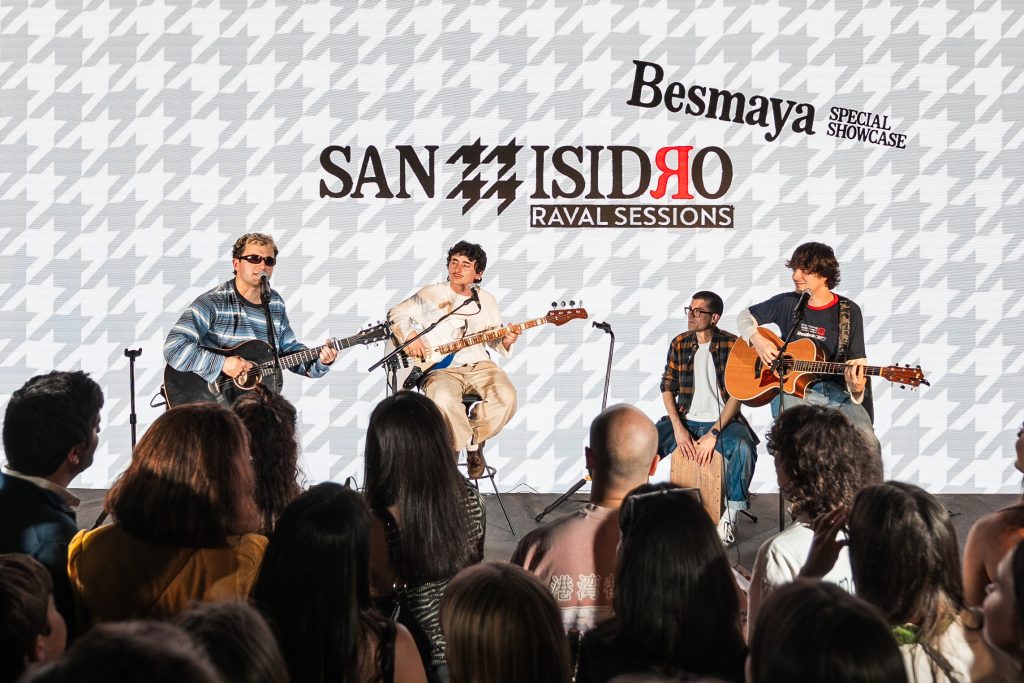
To mark San Isidro, where Garage transforms May into music month with five Music Sessions dedicated to promoting emerging talent and giving a voice to new generations, we interviewed Besmaya before their Special Showcase on May 13th. The day, in addition to their performance, featured DJ sets, activations around the new CUPRA Raval, and various activities designed to celebrate contemporary music and youth culture. We spoke with them about the almost accidental origin of the project, the hidden meaning behind the color yellow, emotional masculinities, and that constant feeling of becoming «nobody» when one strays from what truly matters.
Álvaro Ramos: Who is Besmaya in 2026 to someone who’s never heard of you?
Besmaya, Javi Oján, and Javi Echávarri: A wandering band, two guys, two Javis (the only ones still involved).
AR: How did the idea of starting the band in 2020 come about? Where did that idea come from?
Was it more about artistic expression or seeing a gap in the industry that you could fill?
B: It started with an email. We’d known each other forever. We’d always wanted to start a band, but we’d never lived in the same city. One of us had a song written and sent it to the other by email, and that’s how it all began.
AR: So how would you define yourselves musically?
B: Rock. Just kidding, 100% alternative pop. AR: Where did the idea of making alternative pop come from in an industry and youth obsessed with reggaeton and urban music?
B: Because we’d never listened to that. Obviously, we’d heard Bad Bunny and party music. But I think reggaeton has a Latin root that often sounds contrived when a Spaniard does it, you know? Interestingly, the best reggaeton artist in Spain is from the Canary Islands, you know? Because they’re very connected to Latin America, and that’s reflected in the final product. Also, because we play guitar, and it doesn’t really sound great with reggaeton. And we’re guitarists first and foremost.
AR: Who are your biggest musical influences?
B: Before forming the band, we’d say Radiohead or The Cure. Now, especially, we’d say Fontaines D.C. or Geese, and within the Spanish music scene, we really dig Cupido. AR: In what ways do you think you’ve evolved since «Nuevos Lemas» that the public and press haven’t taken into account? What do you think no one has mentioned yet about the transition you’ve made?
B: The care we put into the album’s lyrics and all the guitar work. I wish people would pay a little more attention to things like that.
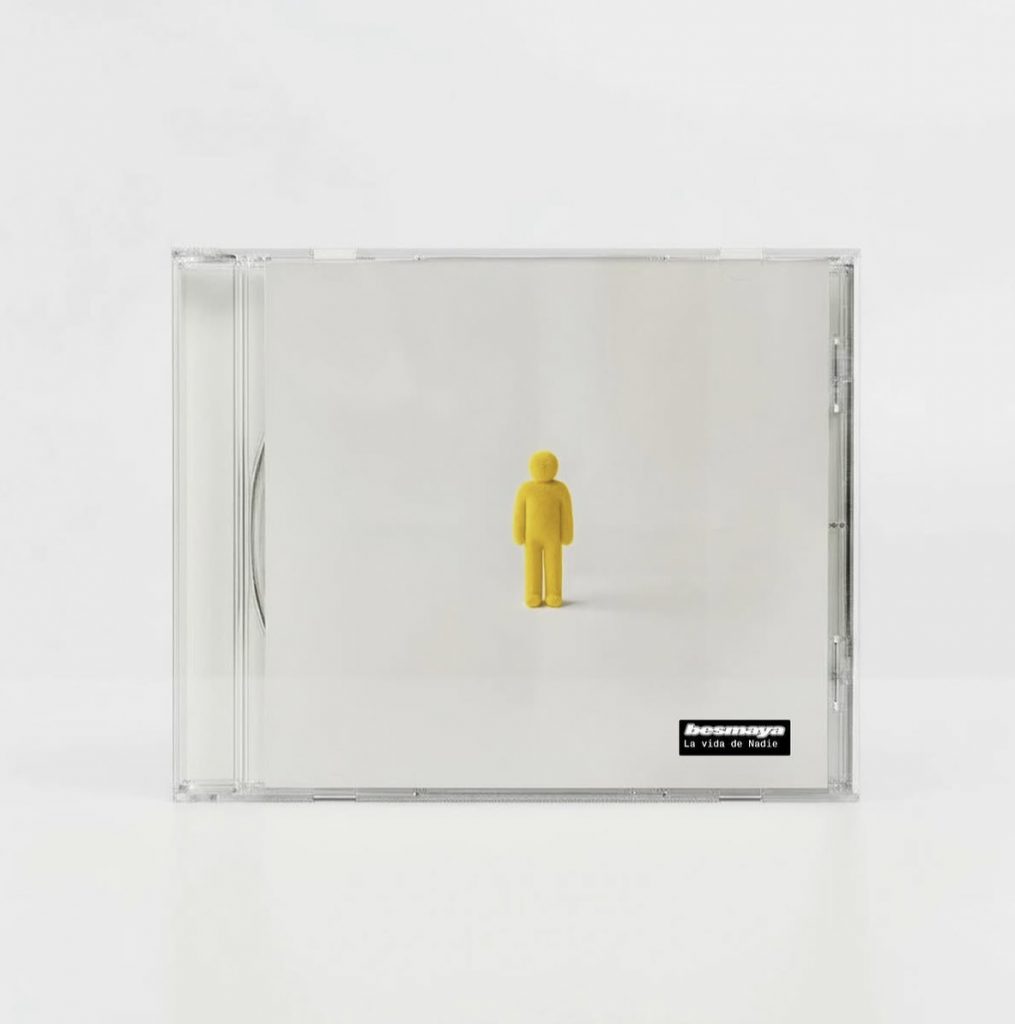
AR: How was it to create such a distinctly analog aesthetic for the album’s overall sound, while the cover art moved away from all that, opting for minimalism?
B: We liked that it was simple, like everything else. What’s this about? It’s about that person, Nobody, being minuscule in the middle of the void. If you look at all the previous album covers, there was something yellow. By reflecting a bit on the past and what life was like before, you come to the conclusion that now you are this.
AR: And what’s the meaning behind that yellow you’ve been using so much?
B: A false and artificial happiness. I’d say that what many people haven’t realized, perhaps it’s our fault, but how messed up it is to be a nobody, that’s the message of the album. You know? It’s kind of become like, oh, they’re happy because they’re wearing yellow, and it’s the complete opposite. Yeah, I’d say that’s what people have missed.
AR: Did you propose the album as having 10 songs from the beginning, or how many songs did you work with when you were editing the album? Because I feel like what you’ve done is very carefully curated.
B: We worked with a large catalog for this album. Yes, we probably made twice as many as what ended up being released. More carefully curated than cheese. Yes, but as I said, the lyrics are what we focus on most, because in the end, it’s with the lyrics that we were able to make that progression little by little and refine it further. AR: How did the English verse in «Olvidarme de mí» come about?
B: Let’s just say we had a dream collaboration, we sent it to their office and obviously it didn’t happen, but since we had the verse sung in English and we liked our English, we kept it. A remnant of what never was. The biggest fans can probably guess who it is because it’s a band we’ve talked about.
AR: In «Nadie,» the first song, you talk about: «looking for places that sell time,» how did you come to that conclusion? Because in the end, we’re all nobody because we don’t have time to do anything. And what we do day to day defines us, where do you guys look for time?
B: Well, by deleting Instagram, being with our partners and our friends. But where do you buy it? You buy time, man, when you consume. Consumerism is ultimately about buying time. All this trendy stuff about buying experiences, buying this and that, and often the only place where you get free time is from the people who love you.
AR: You’ve just finished your club tour. How was the album received on tour, and what’s in store for the rest of the year?
B: People really enjoyed the show, and now we have 20 festivals lined up, which we haven’t announced yet. We’ve been a bit naughty, and we need to fix that. We’re going to keep doing shows in the summer, and then there’s another tour around the country.
AR: In the music industry, collaborations between artists are highly sought after to generate more views and create a powerful moment. What was it like collaborating with Iñigo?
B: It came about through friendship. We had a few beers, and it just happened. People exaggerate, but above all, he’s our friend, and it’s true that our approach to releasing music is similar: focusing on releasing albums with good singles and so on.
AR: Your approach seems very fitting for the times we live in, where masculinity is very overthought in all areas, both hypermasculinity and fragile masculinity. You guys position yourselves more on the side of expressing feelings. So, how do you see yourselves on this balance? Do you feel that your music fits with what I’ve said?
B: We like to think that we are conduits of emotions for our listeners. I think it’s very important to be able to express yourself and do it in a healthy and reasonable way, and I like this question, man, because it’s true that we always see it as necessary to purge ourselves and express ourselves outwardly.
AR: And to finish, and answer the million-dollar question, who is Nadie?
B: It’s you when you lose sight of the focus, of what’s really important. A bit like what we talked about in «Intruso,» that moment of evolving and getting stuck in the past without doing so.
Questions by @alraco43