
Between Dream and Reality: Discovering Priscilla Through Sofia Coppola’s Lens
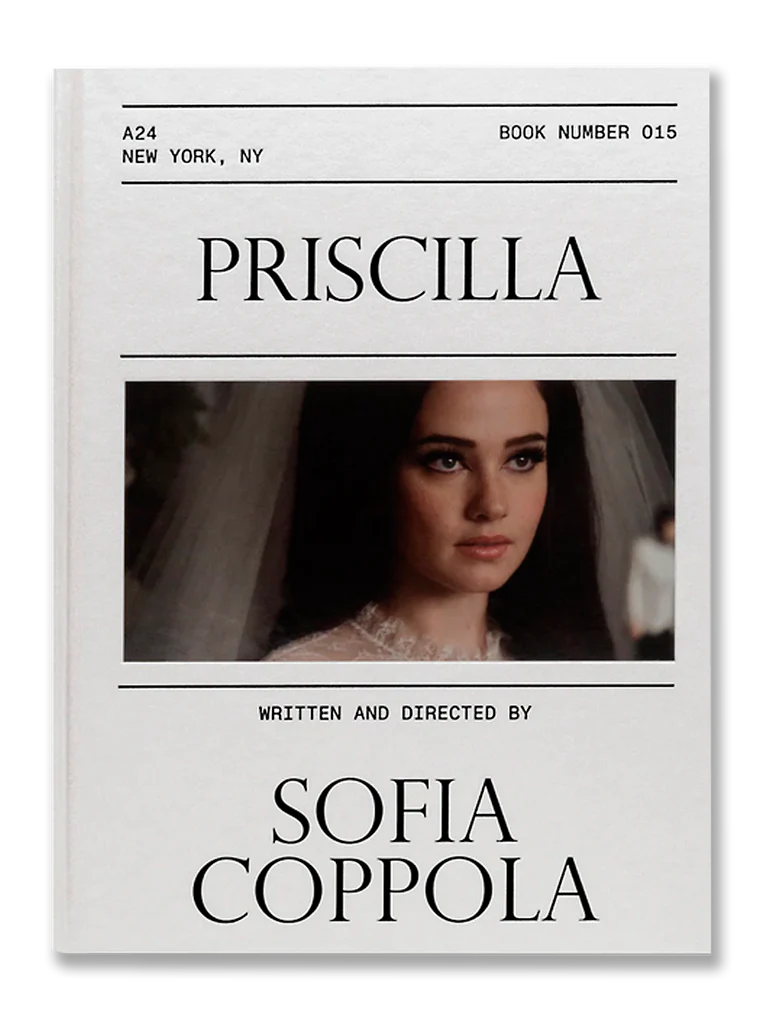
The other day I bought a book I had been wanting to read for a while: The Priscilla Screenplay Book by Sofia Coppola, one of my favorite directors. I’ve always been drawn to the way she tells stories through an intimate, almost quiet lens, so I was curious to see how that translated into a screenplay format.
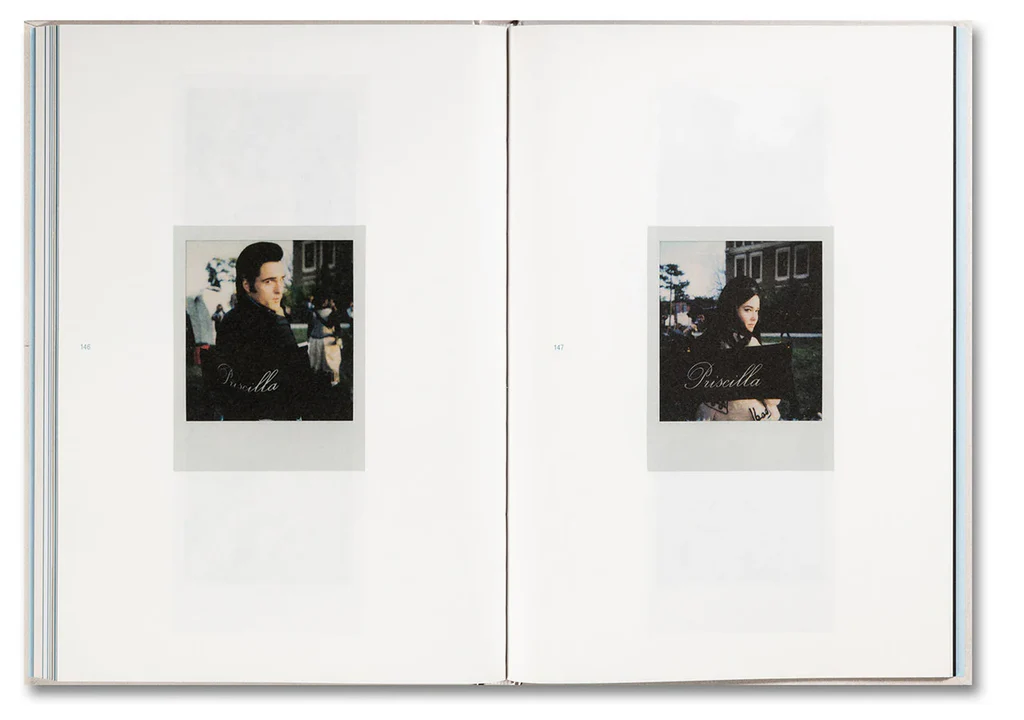
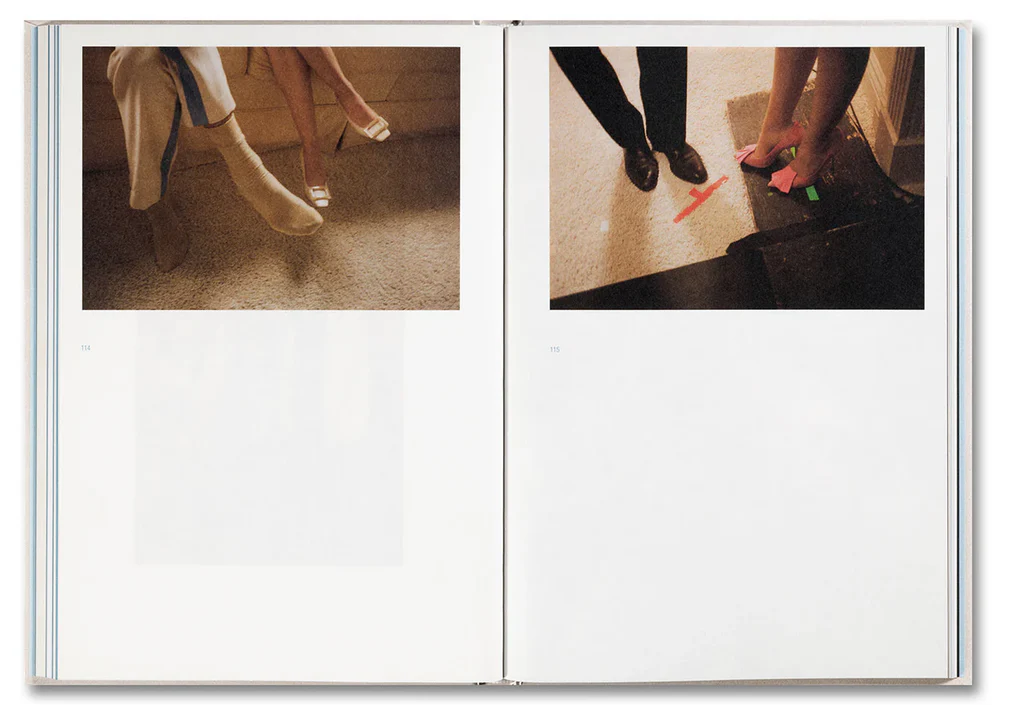
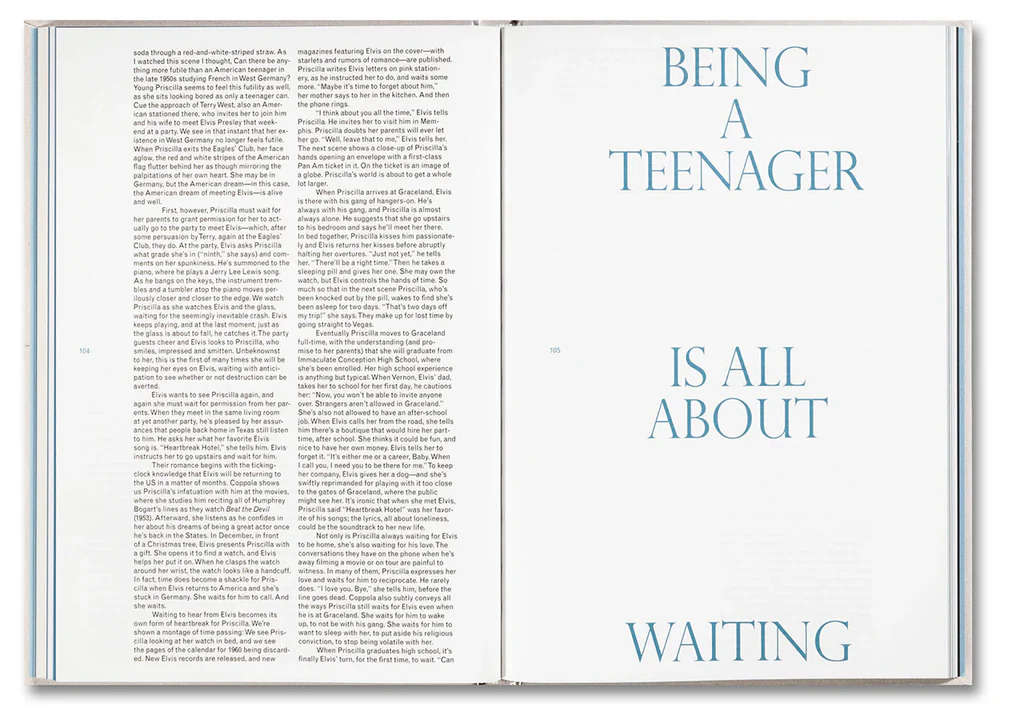
The book is much more than just a script. It includes an introduction by Rashida Jones, the full screenplay, an essay by novelist Vendela Vida, and excerpts from Elvis and Me, the original memoir by Priscilla Presley. It’s also filled with visuals: film stills, behind-the-scenes photography taken by Coppola herself, and Polaroids from the set featuring the leads, Cailee Spaeny and Jacob Elordi. Altogether, it feels like stepping directly into the creative process.
While reading it, I kept thinking about that strange feeling of looking back on certain moments in your life and sensing they happened to a different version of yourself. Like falling deeply in love as a teenager and later remembering it as if it were a dream. That emotional distance is exactly what Coppola captures in Priscilla, a film based on the memoir published in 1985.
So after finishing the book, I decided to watch the film.
The story takes us back to when Priscilla was just a teenager living on a U.S. military base in Germany. At only 15, she meets Elvis Presley at a party during his military service. From that moment on, what unfolds seems like a dream: a global icon notices her, treats her gently, and eventually convinces her parents to let her move to Graceland to continue her studies.
But the film doesn’t romanticize this story. Instead, it observes it with a quiet, unsettling tone. Coppola highlights the deep loneliness in Priscilla’s life: being confined to a mansion, constantly waiting for someone who is rarely present. Elvis is portrayed as a complex figure, charming at times, yet also controlling, distant, and contradictory.
At first, there’s something almost ironic about her situation. Priscilla is living the fantasy many girls her age dream about: being with Elvis, kissing him, entering his world. But gradually, that illusion begins to crack. He avoids a physical relationship with her while clearly not holding back elsewhere, idealizing her as pure and untouchable while simultaneously subjecting her to control and rigid expectations.
Cailee Spaeny’s performance is especially powerful in showing this transformation, from a hopeful teenager to a woman who begins to see things clearly. Meanwhile, Jacob Elordi portrays Elvis in a restrained way, avoiding caricature and offering a more human, and more unsettling, version of the legend.
What stood out to me most is how the film reflects on growing up. On how the things we want at 14 are rarely what’s best for us, and how part of becoming an adult is surviving those early dreams.
In the end, both the book and the film offer a very different perspective on a well-known story. It’s not about glamour, but about loneliness, emotional dependence, and the search for identity. And that’s where Sofia Coppola’s sensitivity truly shines: in her ability to tell an intimate story without judgment, allowing the audience to feel, observe, and draw their own conclusions.
Words: @annaamaso