
Buenos Aires Fashion Week
Summer Season 2026
For 24 years, Buenos Aires has hosted two annual editions of its Fashion Week. This season, we join for the first time, stepping into the Summer 2026 edition, where established labels and emerging designers converge under a distinctly Argentine sensibility.
Bestia
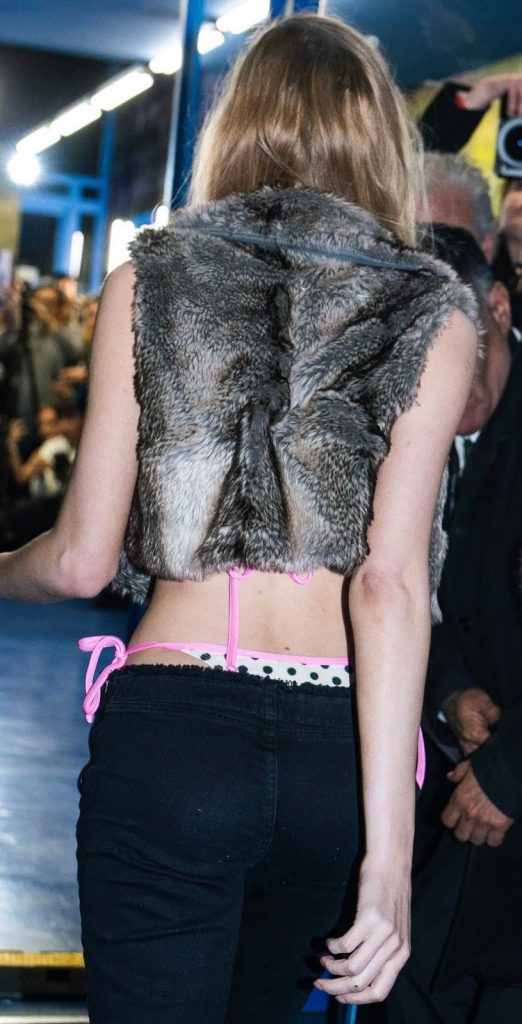
Bestia, a name derived from bête noire, embraces “the monstrous and the brilliant, the subversive, the unsettling, what resists, what seems impossible to defeat.” They honored their etymology flawlessly. The brand delivered one of the freshest and most avant-garde runways of the week: youthful, irreverent, and necessary.
In a fashion landscape that can sometimes feel aesthetically fatigued, Bestia injected adrenaline. As seen in September’s French Kiss runway, the flogger aesthetic is resurging globally. The 2000s revival is no longer ironic—it is declarative. Studs, low-rise silhouettes, and side-swept bangs evoking a 2009 Justin Bieber nostalgia confirmed it: Y2K is not leaving.
Gusmán , “TURUCUTO”
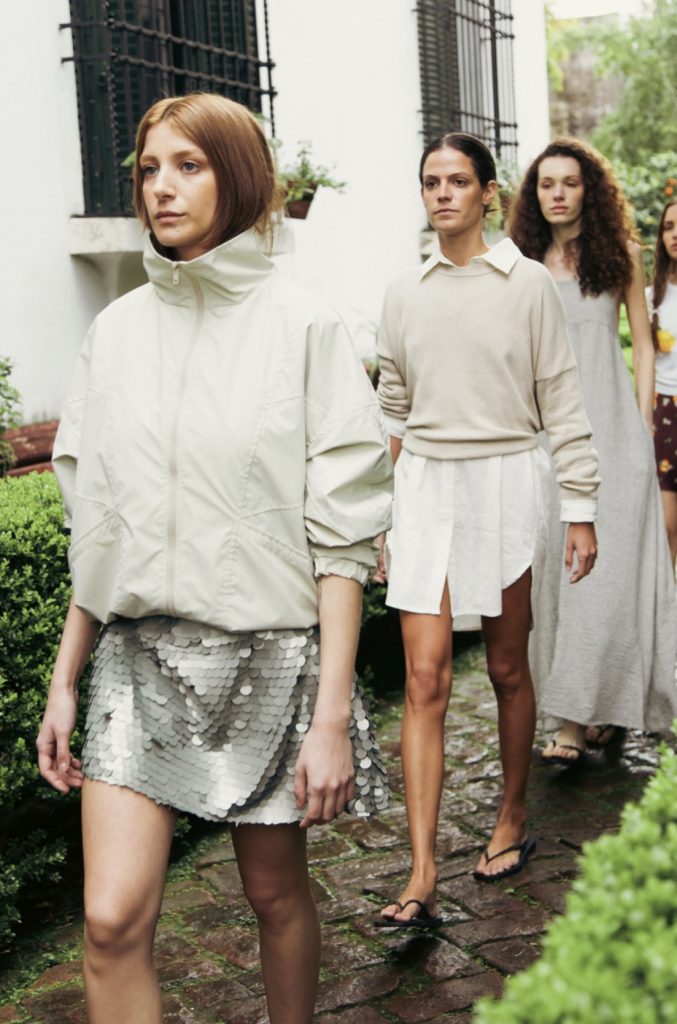
Gusmán, a brand devoted to refined, comfortable essentials for the contemporary woman, presented “TURUCUTO”, a collection inspired by Argentina’s northern region, specifically Tucumán, the country’s smallest province, known for its valleys, mountain ranges, and humid quebradas.
Tucumán’s lush geography translated into earthy tones and lightweight fabrics reimagined as urban, contemporary garments. The result: grounded minimalism with regional memory embedded in texture.
The afternoon’s unexpected star was Nadia Coralina, a researcher from CONICET (Argentina’s National Scientific and Technical Research Council), who walked the runway wearing the brand’s versatile pieces. Her presence bridged science and fashion, intellect and wearability sharing the same silhouette.
Bolivia, 20th Anniversary / “Chancho Va”
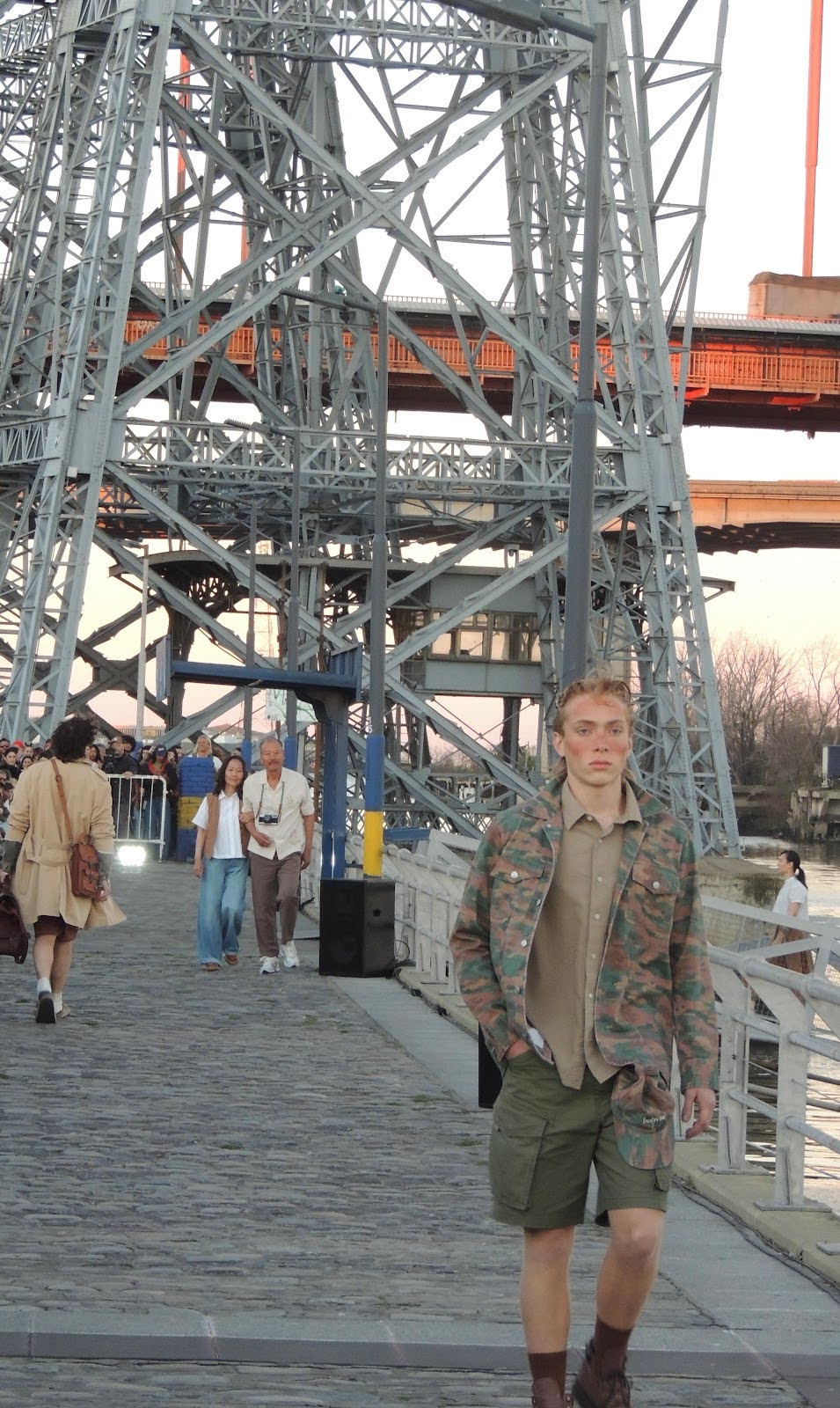
Bolivia celebrated its 20th anniversary with “Chancho Va”, staged in La Boca. Guests were transported by boat from Puerto Madero—an entrance that immediately framed the show as an expedition rather than a presentation.
Bolivia dressed characters whose common denominator was adventure—specifically, adventure in Argentina. The collection leaned into direct symbolism and graphic revalorization of national identity, a post-pandemic phenomenon that continues to intensify. Federal spirit over centralism. Territory over trend. Backpackers, sailors, nomads. Garments designed for rough travel and symbolic crossings. Bolivia reaffirms itself as a brand rooted in federal identity—Argentina beyond Buenos Aires.

Revolver
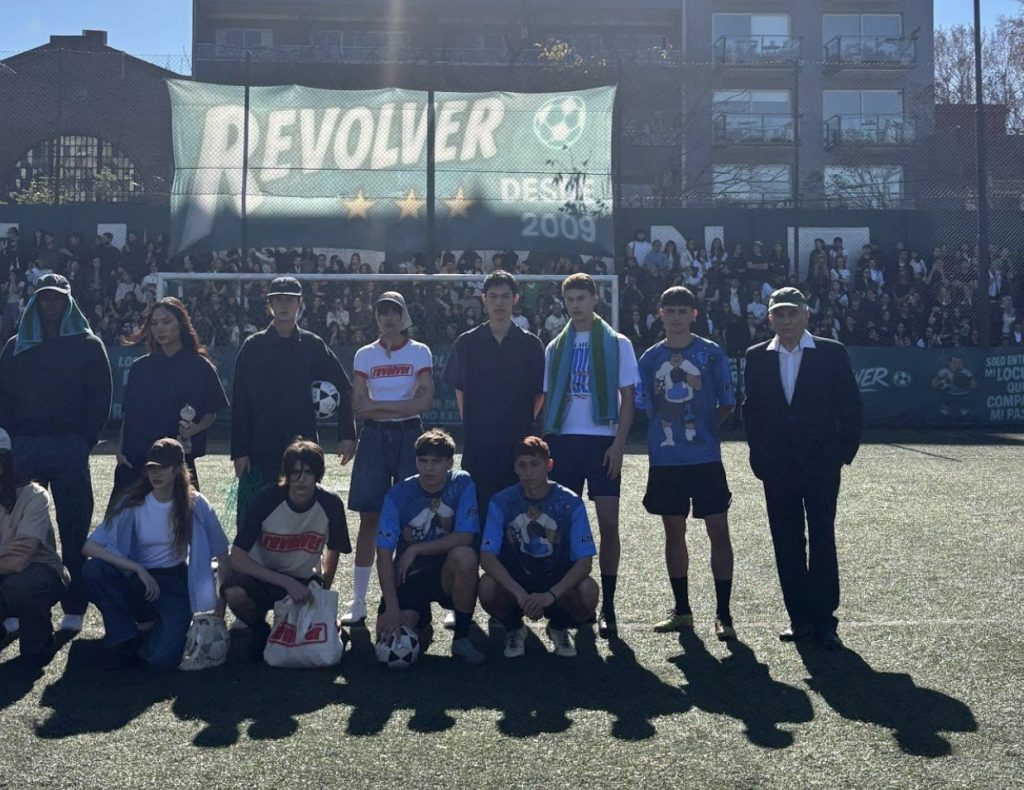
Revolver also dissected Argentine identity—but through spectacle.
The runway unfolded on a soccer field, complete with chanting fans, irritated coaches, and choripán stands. Soccer, passion, barbecue: Argentina’s unofficial trinity. Fashion appeared almost as an interruption of daily ritual.
In line with the current wave of national exaltation, slogans like “Buenos Aires,” “Vitel Toné” (the national Christmas staple), and “Pileta” (Argentine slang for swimming pool) were printed across T-shirts.
Vanessa Krongold — “13 Impossible Dresses”
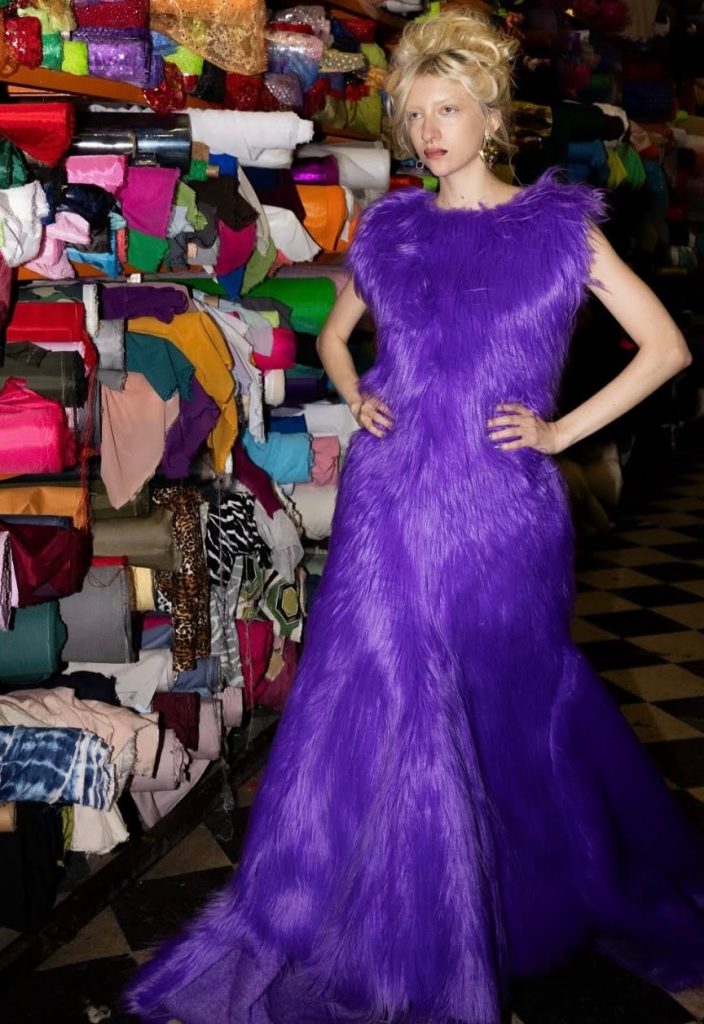
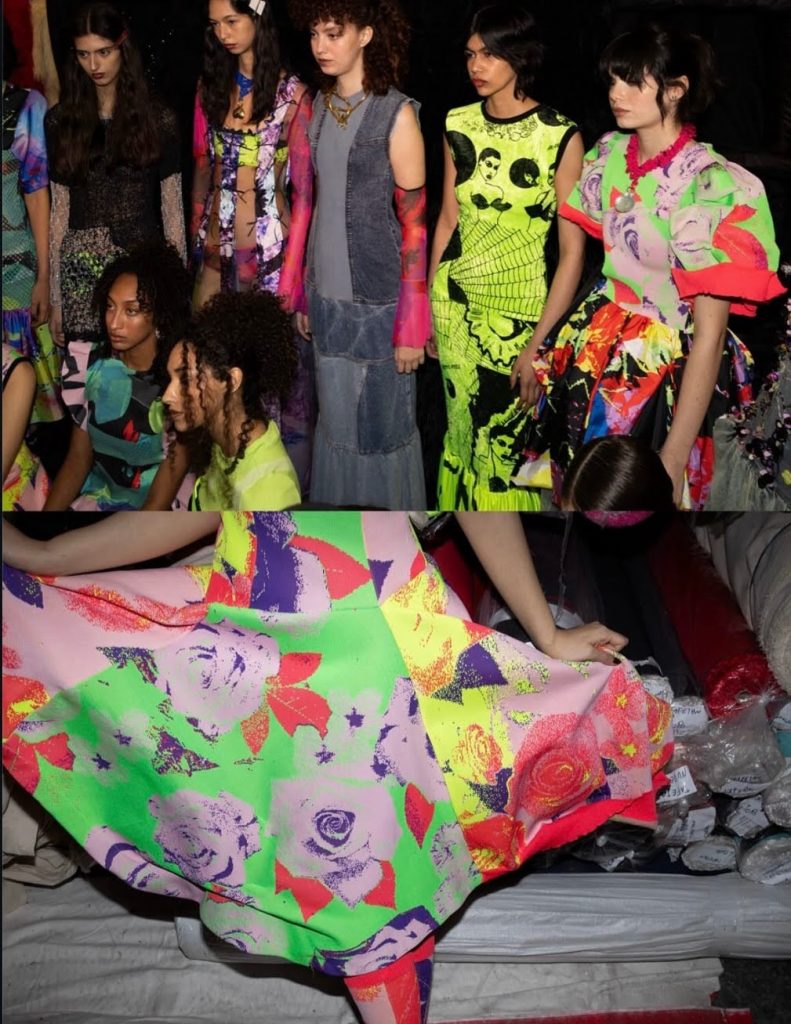
Finally, Vanessa Krongold closed the week with “13 Impossible Dresses” — a clear nod to Rabanne’s conceptual legacy. Presented inside a textile shop in Once, Buenos Aires’ wholesale fabric district, the gesture was symbolic: from raw material to finished garment, the entire cycle unfolded inside the city’s textile ecosystem.
It was arguably the boldest and most couture-driven proposal of BAFW.
Context: Creativity Under Pressure
A versatile and virtuous week once again proved that Argentine creativity rises precisely when confronted with economic strain.
In May–June 2025, clothing sales fell 7.7% year-on-year, according to the Argentine Chamber of the Apparel Industry (CIAI). Meanwhile, the opening of imports and the growing presence of Shein resulted in a 136% increase in foreign clothing purchases compared to the same period the previous year.
And yet, local design persists—reinventing identity, territory, and narrative.
Words by @julianaianniccillo