
IVÁN & HADOUM BY IAN DE LA ROSA: LOVE BECOMES RESISTANCE
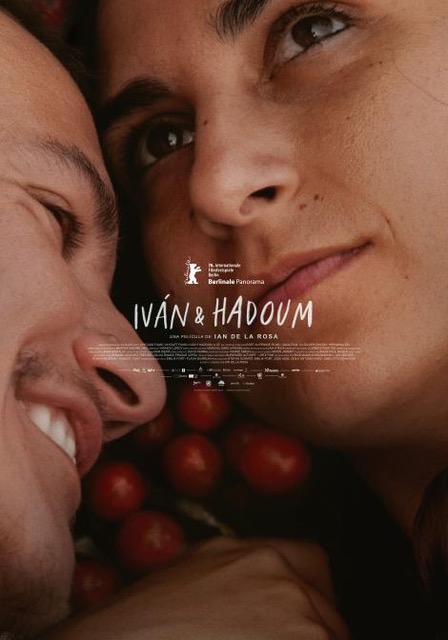
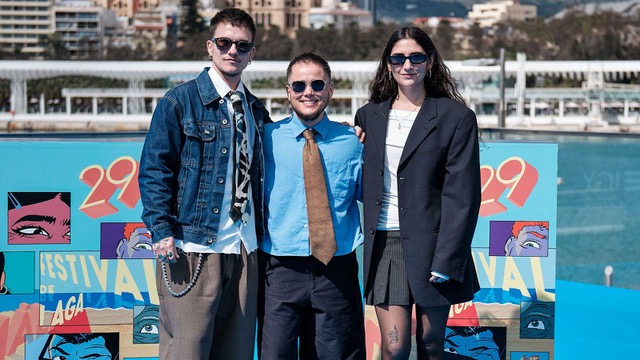
During the 29th edition of the Málaga Film Festival, three LGBTIQ+ movies with a trans man as the main character were shown. One of them had already been enjoying success since its screening at the Berlinale, winning the Teddy Award, which is the prize recognising the best LGBTIQ+ feature film of the year at the festival. I am, of course, talking about ‘Iván & Hadoum’, a Spanish film directed by Ian de la Rosa.
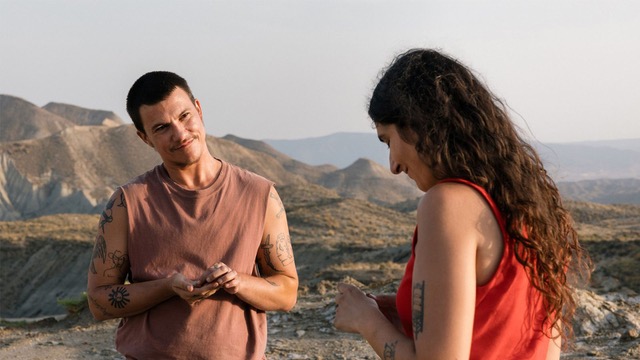
This romantic drama tells the story of Iván (Silver Chicón), a trans man who works as an operator in some greenhouses in Almería. Unexpectedly, he falls in love with Hadoum (Herminia Loh), a Spanish-Moroccan girl that is on the packing line. This love is not accepted by either Iván’s family or Hadoum’s, which complicates matters and forces them to live their love against the thoughts of other people.
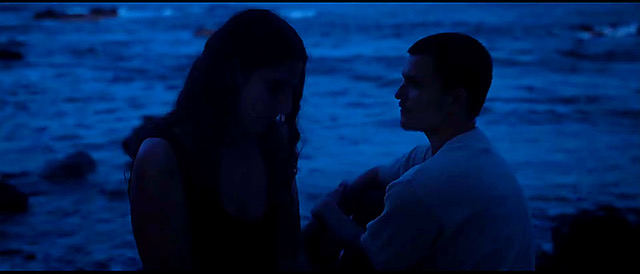
The film revives classic romanticism, but it doesn’t do so in just any old way. It shows characters with bodies rarely seen on screen, intimate scenes with less conventional sex, portraying masculinity with particular tenderness and sensitivity in the character of Iván who struggles to fit into traditional masculinity, and countless other elements that make it one of my favourites during the festival.
The performances in the film undoubtedly stem from the truth and purity of both the characters and the actors playing them; combined with stunning cinematography and a soundtrack featuring songs by the lead actress herself, Herminia Loh, under the name Restinga, the production portrays immense power.
This story is very important and needs to be told everywhere because of all the difficulties or obstacles that might prevent this love story from succeeding, the one the director highlights is the one we really need to tackle. It doesn’t focus on identities or prejudices, but on a workplace conflict involving abuse of power. The only negative aspect presented in it is this one, and not the fact that the main character is a trans man. Set in a rural environment, which tends to be more conservative, this story features under-represented bodies and portrays trans identity as just another layer, without making it the centre of the problem.
In that landscape of plastic, earth and burning sun, the film reminds us of something simple and, at the same time, revolutionary: that loving should never be an act of resistance. And yet, for Iván and Hadoum, it is. Ian de la Rosa crafts a delicate narrative, where there is no artifice in the way these characters approach, fear and encounter one another; there is humanity. And it is precisely in this humanity that the film finds its greatest strength. Iván is neither a symbol nor a statement: he is a man who loves, who doubts, who makes mistakes, and who dreams of a place in the world where his existence does not need to be justified.
‘Iván & Hadoum’ leaves us with the feeling of having witnessed something really intimate. A story that resonates powerfully but does not seek to moralise. It simply shows that love, when it is honest, always finds a way to prevail, even when it seems impossible. Something as simple as two people deciding to love one another.
Words by @joaquinxbc